In a video posted to TikTok, where Katie Whitney has 2.5 million followers, she says to camera, bluntly: “This video is for Cynthia Erivo. If you’re not Cynthia Erivo … you can keep on scrolling.” Her demeanour then shifts, her voice becomes softer; more the way a person might talk to their puppy: “Hi Cynthia. Hi baby. Hey baby. How are you?” It’s toe-curling – or, in modern parlance, cringe – to watch. “I feel traumatised,” says one commenter. Others post photos of a stunned-looking Erivo and imagine: “What if the Wicked star were to actually watch this video?” Cringe!
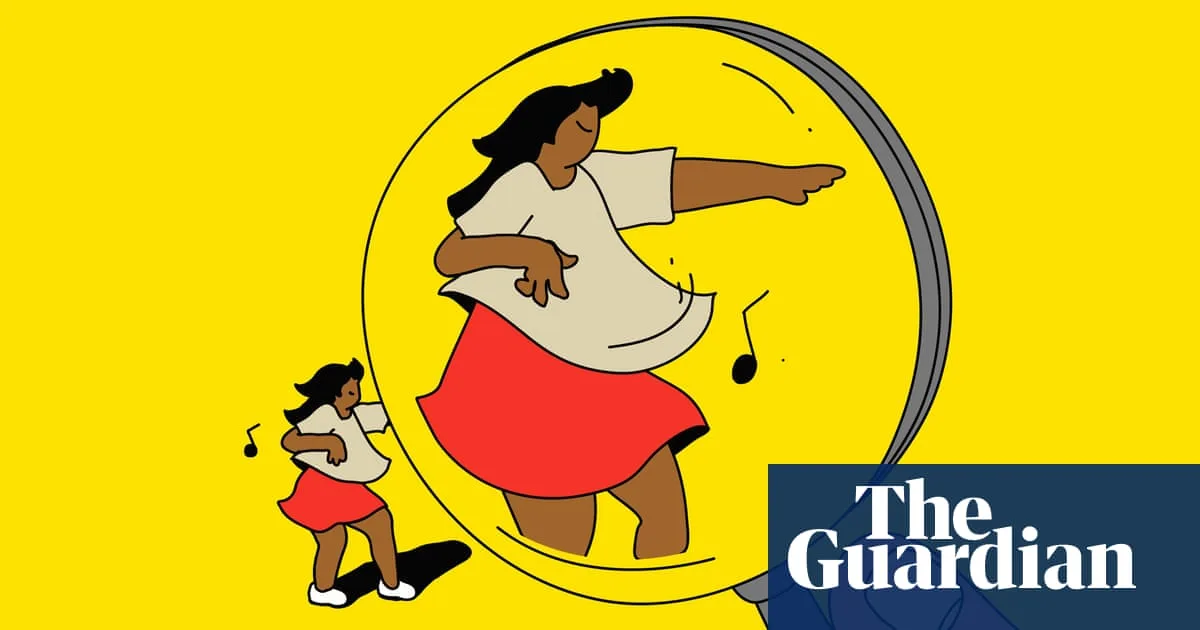
Now 25, but having started making this kind of content – “weird skits” – at 20, Whitney is part of what is known online as CringeTok, a subsection of the internet that deals in content designed to make your toes curl. It’s in many ways a reaction to a fear of being “cringe”, which is seeping into all parts of life – from social media to classrooms to the workplace.
Embarrassment is nothing new, and comedy has been revelling in secondhand shame for decades, from Fawlty Towers to Curb Your Enthusiasm, The Office to Amandaland. But cringe has been identified by some working in mental health as a relatively new form of shame. It is now so prevalent that it has been studied by academics, discussed, lamented and, crucially, blamed as a reason so many people – and particularly young people – aren’t living their lives to the fullest.
According to a Yahoo/YouGov poll this year, the fear of coming across as cringe has stopped more than half of gen Z (those born between the mid-1990s and early-2010s) from expressing themselves freely online and 55% of those surveyed said it had stopped them from opening up emotionally. New York University professor and writer Ocean Vuong raised concerns that his students are becoming “more and more self-conscious about trying”. In an interview with ABC News, he said: “There’s a surveillance culture around social media. And they will say: ‘I want to be a poet, I want to be a good writer, but it’s a bit cringe’ … this ‘cringe culture’ is ‘I don’t want to be perceived as trying and having an effortful attempt at my dreams.’”
So what is “cringe”? According to Roger Giner-Sorolla, a professor of social psychology at the University of Kent, it has become a slang term for the feeling of “vicarious shame”. This, he says, places a person who has done something embarrassing or even morally shameful “under the dim regard of other people”. Mark Beal, a professor of communications at Rutgers University who has written several books about gen Z, would “put it in the bucket of feeling awkward, feeling embarrassed, feeling ‘uncool’”.
A key aspect of “cringe” is a lack of self-awareness. “The implication of cringe is that if you had any self-awareness, you would realise that this reflects really poorly on you,” says Giner-Sorolla. “A good example,” says Dean Burnett, a Cardiff-based neuroscientist, “is when the older generation try to get involved with younger generations’ trends, behaviours; that’s cringe”. A boomer saying someone has “rizz” or is “delulu” without irony, say. It’s the act of “trying to do something and failing, but not knowing you’re failing at it”.