The Terrifying 'Looksmaxxing' Craze: Boys Smashing Faces with Hammers
In recent years, a perilous social media phenomenon known as 'looksmaxxing' has surged in popularity, with alarming reports indicating that boys as young as 10 years old are using hammers to physically alter their facial structure in pursuit of the 'perfect jawline'. This trend, which involves maximising physical attractiveness through often extreme measures, has drawn widespread concern from health experts and sociologists.
Influencer at the Centre of the Controversy
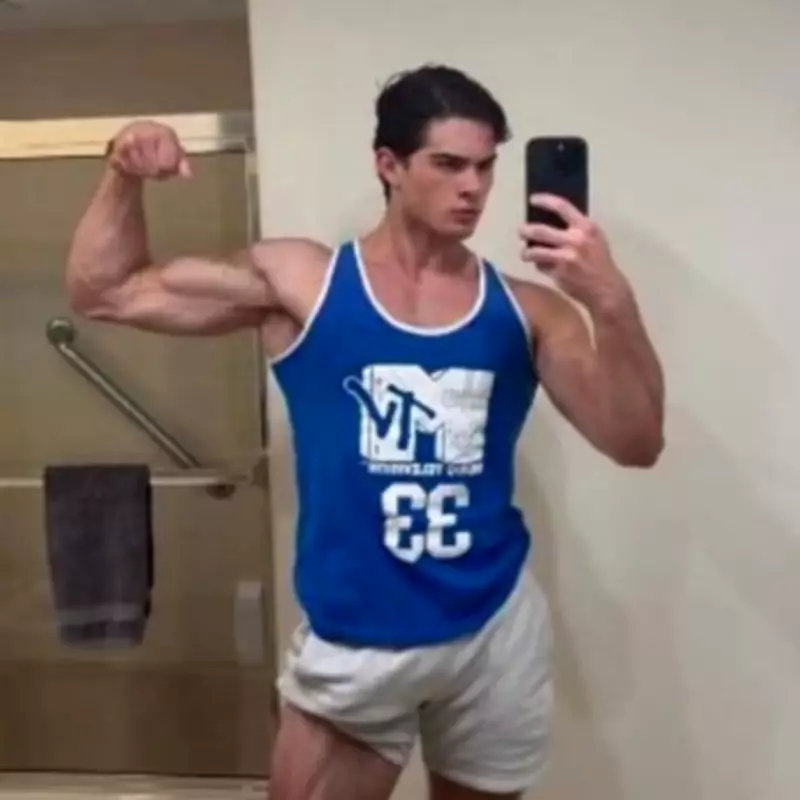
The movement has been significantly amplified by internet streamer Braden Eric Peters, known online as Clavicular, who boasts over one million followers across social platforms. The 20-year-old, who describes himself as a 'misogynist influencer', was recently arrested on battery charges for allegedly instigating a fight between two women and posting the incident online. He has since been released from custody.
Clavicular's personal history reveals the dangerous extremes of this trend. During his teenage years, his mother reportedly had to remove hammers from their home to prevent him from smashing his own face. By age 14, he was ordering testosterone and fat dissolvers online, with his parents eventually concluding they could not stop his 'ascension', as documented by The New York Times.

From Bone-Smashing to Leanmaxxing
The 'looksmaxxing' movement encompasses various practices, ranging from relatively benign activities like workout routines and skincare to dangerously extreme measures. Bone-smashing – using hammers to reshape facial bones – represents one of the most hazardous manifestations.
Clavicular has promoted even more dangerous behaviours, including admitting to smoking crystal meth to suppress appetite for weight loss, a practice he terms 'leanmaxxing'. He claims to have become infertile from self-administered steroid injections, highlighting the severe physical consequences of these extreme measures.
Online Forums and Psychological Impact
What began in niche online forums during the 2010s has now migrated to mainstream platforms like TikTok and Instagram, where influencers share before-and-after photos that encourage risky behaviour. Vulnerable young men frequent these spaces, where they might be advised to seek leg extension surgery if deemed insufficiently tall or even told they are 'too ugly' for looksmaxxing and should consider suicide.
Associate Professor of Sociology Michael Halpin told The Sun: "I observed a teenager stating that he was going to take his own life if he did not reach 6ft in height. While other users were told they were too ugly for looksmaxxing and they should consider suicide."
Not Just a Male Phenomenon
While often associated with the 'manosphere' and incel communities, looksmaxxing affects women as well. Russian woman Kseniya Didik, who spoke exclusively about her experiences, described becoming 'addictively' obsessed with the trend during her teenage years.
"I started taking part in beautifying rituals around 12," Didik revealed. "I also slipped into eating disorder territory around the same time... Looksmaxxing has always been present in my life, consciously and subconsciously."
Before turning 18, she underwent pore extractions and laser resurfacing for acne scars, with aspirations for lip filler, eye bag surgery, and a nose job. Her dangerous dieting practices led to the cessation of her menstrual cycle at one point.
Expert Warnings and Advice
Counsellor Georgina Sturmer highlighted the psychological drivers behind looksmaxxing participation: "If we are drawn towards this... it's likely that there are some strong underlying emotional motivations. We might be struggling with our self-esteem, feeling anxious, depressed or isolated."
Dr Lawrence Cunningham, a GP at the UK Care Guide, offered crucial perspective: "Maintaining physical appearance through healthy lifestyle choices is normal and can be beneficial. However, the line should be drawn when such practices become extreme and harmful. Building a network of positive influences... can make a significant difference in one's mental and physical health."

The looksmaxxing trend represents a disturbing intersection of social media influence, body image issues, and dangerous self-modification practices that demand urgent attention from parents, educators, and mental health professionals.