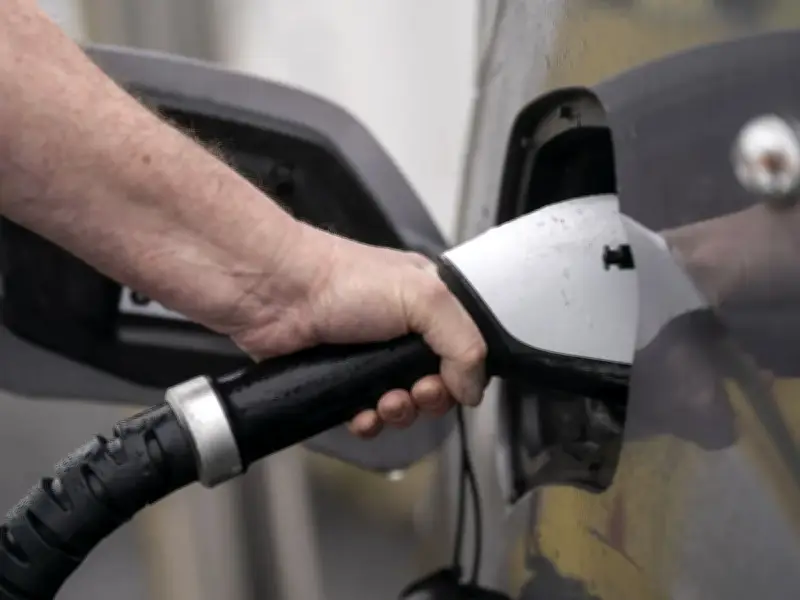
The Government has confirmed it is working to introduce new rules on battery health information for electric vehicles (EVs), following calls from three leading industry bodies for mandatory independent assessments when used cars are sold.
Electrifying.com, New AutoMotive and BatteryIQ have urged ministers to force used car dealers to provide independent battery health certificates, arguing that anxiety over battery condition is one of the biggest remaining barriers to mainstream EV adoption. They say modern EV batteries last far longer than many consumers believe.
“The real problem is not battery health itself, but the lack of clear, independent information available when a vehicle is sold,” the organisations added.

Industry calls for mandatory checks
An industry source expressed hope that battery health certificates – which are available from about £30 – could be incorporated into the MOT process, as EVs need fewer checks than conventionally-fuelled cars.
Ginny Buckley, founder of Electrifying.com, said the current lack of mandatory battery assessments means consumers are being asked to make “one of the biggest purchases of their lives without one of the most important pieces of information”.
“Experts can keep telling car buyers they have nothing to worry about with EV batteries, but our research shows that message simply isn’t landing. It’s not enough to dismiss the concerns about battery life – we need to address them,” she added.
Demand versus supply challenge
Four out of five car sales in the UK involve used vehicles. Ben Nelmes, chief executive of New AutoMotive, said Government policy has done “a good job” creating a strong supply of second-hand EVs, but “the challenge now is stimulating demand”.
“Battery health certificates are a practical, proportionate reform that would strengthen consumer confidence without requiring expensive subsidy schemes,” he said.
Nick Bailey, founder of BatteryIQ, said battery health is “probably the single biggest unanswered question for used EV buyers, yet it’s also one of the easiest things to measure accurately”.
Market trends and government response
A spokesperson for EV manufacturer Tesla attributed “demand for confidence in battery health” as a key reason for its Model 3 and Model Y being the quickest cars to leave UK dealer forecourts in July.
Sales of used electric cars have soared in recent months, partly driven by fuel price hikes caused by the Middle East conflict. Figures from the Society of Motor Manufacturers and Traders show sales rose by 67% to 110,761 units in the three months to the end of June, compared with the same period last year.
The British Vehicle Rental and Leasing Association said the number of salary sacrifice agreements – a popular way of financing car purchases – for used EVs was nearly six times higher over the past year than during the previous 12 months.
A Department for Transport spokesperson said: “EV batteries already come with long-term protection, including an eight-year or 100,000-mile warranty required by the Zev (zero emission vehicle) mandate. To support even more drivers to make the switch, we are working to introduce new rules to provide clearer and more consistent battery health information.”