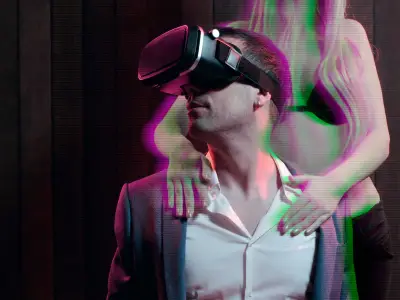
The government could impose a ban or restrictions on selling smart glasses "to certain users" amid "serious concerns" that they can be used to covertly film women. The move comes in the run-up to Christmas, when the wearable technology is expected to be widely given as gifts, according to the Liberal Democrats' culture spokesperson, who held Wednesday's debate.
Minister outlines possible restrictions
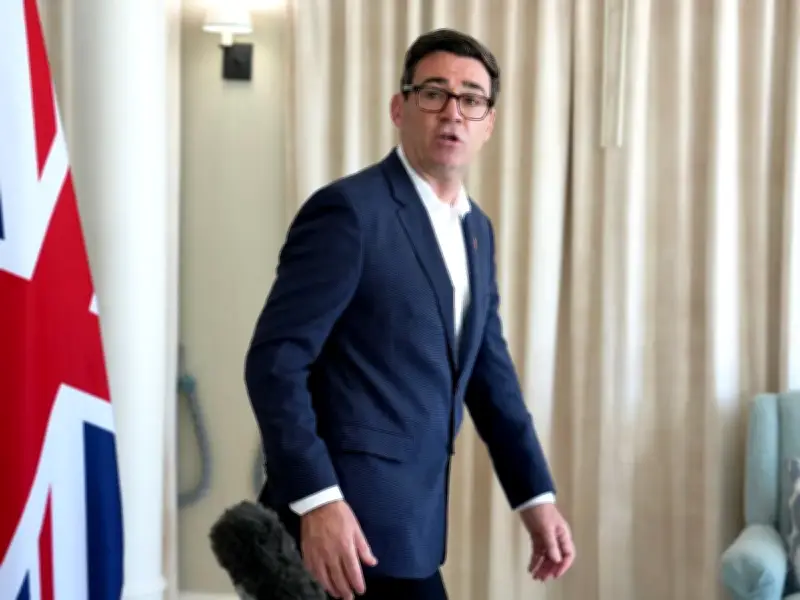
Safeguarding minister Satvir Kaur, speaking in the House of Commons' Westminster Hall on Wednesday, November 4, said: "The benefits of smart glasses must be weighed against the harms they can cause. The Government is already looking into options to restrict smart glasses in certain settings and restricting the sale to certain users – this work is happening at pace."
The minister said people who use smart glasses for filming already risk falling foul of the law, for example, if they were to use the technology in a court, where using cameras is already prohibited. She added: "Other settings, such as healthcare and education, have existing safeguarding or professional policies that are relevant to smart glasses and any kind of digital recording. Both NHS England and the Department for Education are currently looking into wearable technology in certain settings as well."
Benefits and concerns raised
Ms Kaur said smart glasses, which can come with built-in cameras, microphones and displays, "can be hugely beneficial" to some people, saying: "For example, for those that are visually impaired, smart glasses have been a game changer, helping them navigate the world around them. We expect all tech companies to be designing and deploying products responsibly, with privacy and safety considerations built in from the start."
Anna Sabine, the Liberal Democrats' culture spokeswoman who held Wednesday's debate, warned that "women are reporting waking up after nights out to find videos of themselves have gone viral online, filmed without their knowledge or consent by men wearing smart glasses". The MP added: "To me, these devices not only have the potential to erode safety and privacy in public spaces, but raise really important questions about consent."
She said in advertisements, "one of the key selling points was that the glasses could be used to film discreetly". Ms Sabine said she did not want parliamentarians to "only regulate once it is too late". She said: "We are only 50 days from Christmas and we can expect these glasses to be sold everywhere in numbers. How can we put the genie back in the bottle once these glasses are being worn everywhere? We've called for them to be banned on the parliamentary estate but, frankly, everyone deserves the same privacy that we should enjoy in this place."
Parliamentary and Senedd use
Filming and photography is not allowed in some parts of the Westminster parliamentary estate without special permission, such as the grand Central Lobby and the galleries where visitors can watch Commons and Lords debates. A politician in the Welsh Parliament, the Senedd, has previously defended his use of smart glasses in the debating chamber. Jason O'Connell, a Reform UK MS for Pontypridd Cynon Merthyr, read a speech from an in-built autocue feature in his glasses.
"One of the things I identified, a weakness of mine, was that my head was down looking at my notes a lot and I wanted to get away from that," he told the BBC's Politics Wales programme. Mr O'Connell added: "I'm reading my words, I'm delivering my words in the manner that I see fit. And other people might use an iPad, they might use a phone, they might use printed paper. This is the method that I find works best for me during those long debates and it's no different to when I've spoken on stages at events previously, where we have an autocue feature there." A review of the technology in Cardiff Bay is thought to be under way.
In Westminster, Ms Kaur said: "The Government recognises the concerns that have been raised about the use of smart glasses on the parliamentary estate. These concerns are serious. I share them and appropriate next steps are currently being considered, notwithstanding the decisions a parliamentary commission and speakers of both Houses can make on this matter."