Iran's Unprecedented Drone Assault on Commercial Data Infrastructure
In a historic escalation of modern warfare tactics, Iranian forces deliberately targeted commercial data centers during their recent conflict, marking the first time a nation has launched physical attacks against such civilian infrastructure in wartime. Before dawn on March 1, 2026, Iranian Shahed drones struck two Amazon Web Services data centers in the United Arab Emirates, with a third commercial facility in Bahrain also hit, though its targeting appears less deliberate.
A Watershed Moment in Military Strategy
While data centers have previously been targets of espionage and cyberattacks—notably when Ukrainian hackers destroyed data in a Russian military-affiliated facility in 2024—the Iranian drone strikes represent a significant departure as physical attacks damaging buildings and infrastructure. Iran has explicitly indicated it considers commercial data centers legitimate military targets, creating new precedents in international conflict.
The timing coincides with dramatic advances in artificial intelligence that have transformed data centers from commercial facilities to critical national infrastructure. The United States military, in particular, has increasingly incorporated AI systems like Anthropic's Claude for decision support in operations against Iran and Venezuela, with much of this computing infrastructure residing in secure Amazon Web Services clouds.

Strategic Motivations Behind the Attacks
Researchers at Just Security noted on March 12, 2026, that the United States typically requires cloud-computing service providers to store government and military data within U.S. territory or on Department of Defense bases. "Moving such data to Amazon data centers in the Gulf region would require special authorization; we are unaware if that has been granted," they reported.
Nevertheless, Iran's Islamic Revolutionary Guard Corps claimed the strikes targeted data centers supporting "the enemy's" military and intelligence activities. Ten days after the initial attacks, an Iranian news agency declared that major tech company data centers and other physical assets in the region constituted "enemy technology infrastructure."
Broader Implications for Global Security
The attacks may represent part of a broader Iranian effort to punish the United Arab Emirates for its ties with the United States, rather than specifically targeting military-supporting infrastructure. Given the Gulf region's prominence as a major recipient of U.S. technological investment, the strikes could be symbolic attacks aimed at the heart of U.S.-Gulf cooperation.
When AWS data centers experience outages, disruptions cascade across entertainment, news, government functions, and financial systems. The UAE attacks caused widespread disruption to local banking systems, demonstrating how commercial data centers enable most technology that runs the modern world, including critical AI systems.
Vulnerable Infrastructure in Modern Conflict
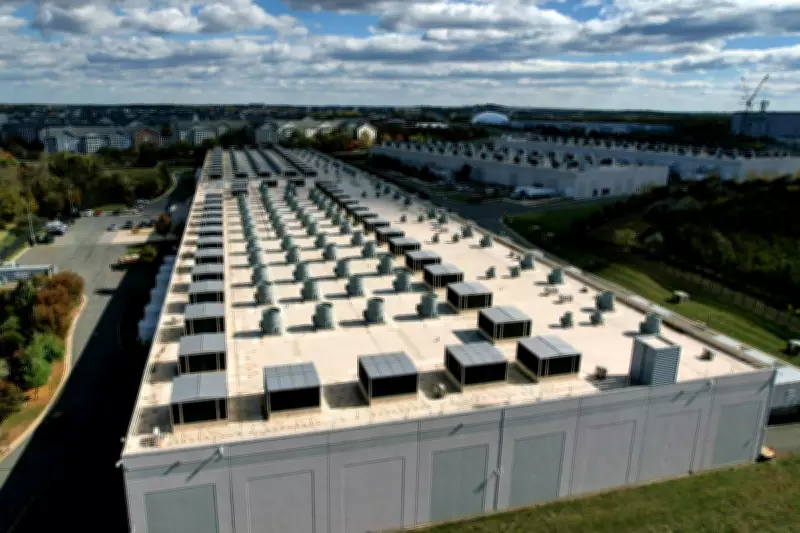
Data centers present attractive targets due to their relative vulnerability—they are large, relatively fragile structures typically lacking dedicated air defenses. During the conflict, Iran launched thousands of missiles and drones at targets in the UAE, with the vast majority intercepted. The two that struck data centers represent a small portion of those that penetrated defenses to hit civilian targets including airports and hotels.
This suggests the data centers may have been targets of opportunity rather than primary objectives, hit simply because they could be hit. However, as AI tools and cloud-based resources grow increasingly vital for national security, economies, and societies worldwide, commercial data centers will likely become more frequent targets in future conflicts.
The Future of Warfare and Critical Infrastructure
While these strikes don't necessarily signal a fundamental shift in warfare's nature, they force nations to recognize that data centers are legitimate war targets—even when not directly supporting military operations. With AI driving economic growth and military advantage, data centers have become key infrastructure ensuring AI systems and underlying internet networks continue functioning.

Given that AWS operates many commercial data centers hosting cloud services worldwide, its facilities will probably continue facing targeting in conflicts. This development jeopardizes the future of AI infrastructure in the Gulf region and beyond, as nations reassess how to protect civilian technological assets during wartime.
About the author: Dennis Murphy is a Ph.D. Student of International Affairs at Georgia Institute of Technology. This analysis draws from research originally published in The Conversation under a Creative Commons license.