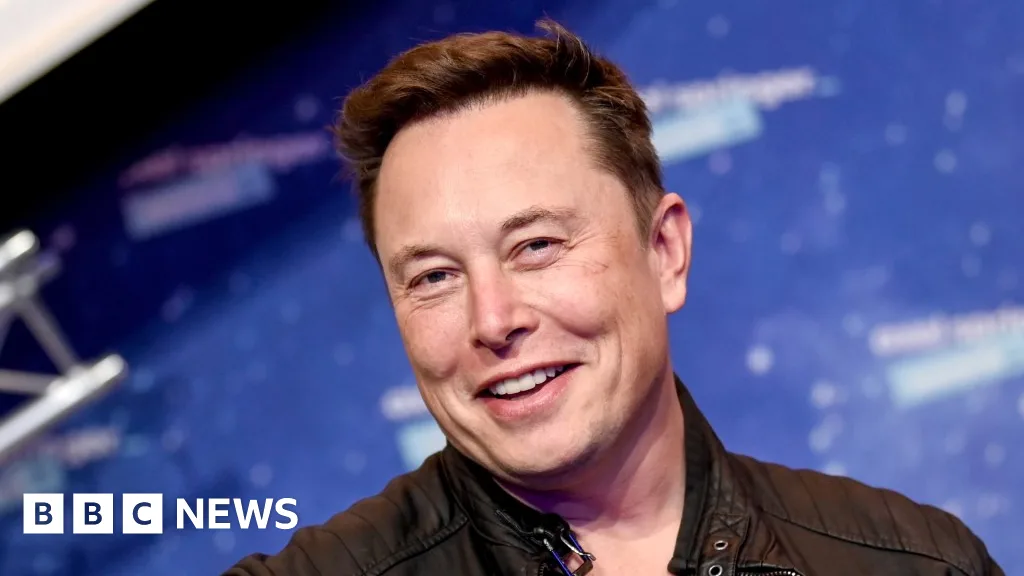
Elon Musk, the Tesla and SpaceX entrepreneur, has recently become the world's richest person, surpassing Amazon founder Jeff Bezos with a net worth exceeding $185bn (£136bn). However, in a 2014 interview, Musk revealed that he does not know how rich he is, stating, 'It's not as if there is a pile of cash somewhere.' He emphasised that wealth is not his driving force, saying he has 'a certain number of votes in Tesla, and SpaceX, and SolarCity' that the market values.
Musk, who turns 50 this year, does not expect to die rich. He believes most of his fortune will be spent on building a base on Mars, and he would not be surprised if the project consumes his entire wealth. Like Bill Gates, he would regard ending his life with billions in the bank as a failure, as it would mean he had not put that money to good use.
Musk's key to success is a desire to make the future better. He founded SpaceX out of frustration with the US space programme's lack of ambition, aiming to land a person on Mars. He realised the problem was not 'a lack of will, but rather a lack of way'—space technology was far more expensive than necessary. This led to the creation of the world's cheapest rocket-launching business.
Musk regards himself as an engineer rather than an investor, driven by solving technical problems. He opened up all of Tesla's patents to speed up electric vehicle development worldwide. His businesses are audacious, aiming to revolutionise the car industry, colonise Mars, build super-fast trains in vacuum tunnels, integrate AI into human brains, and upend the solar power and battery industries.
Musk was inspired by the books and movies he consumed as a child in South Africa. He criticises 'incrementalist' companies, arguing that low ambition is baked into most incentive structures. He believes that aiming for modest improvements often leads to excuses, whereas bold goals drive real progress.