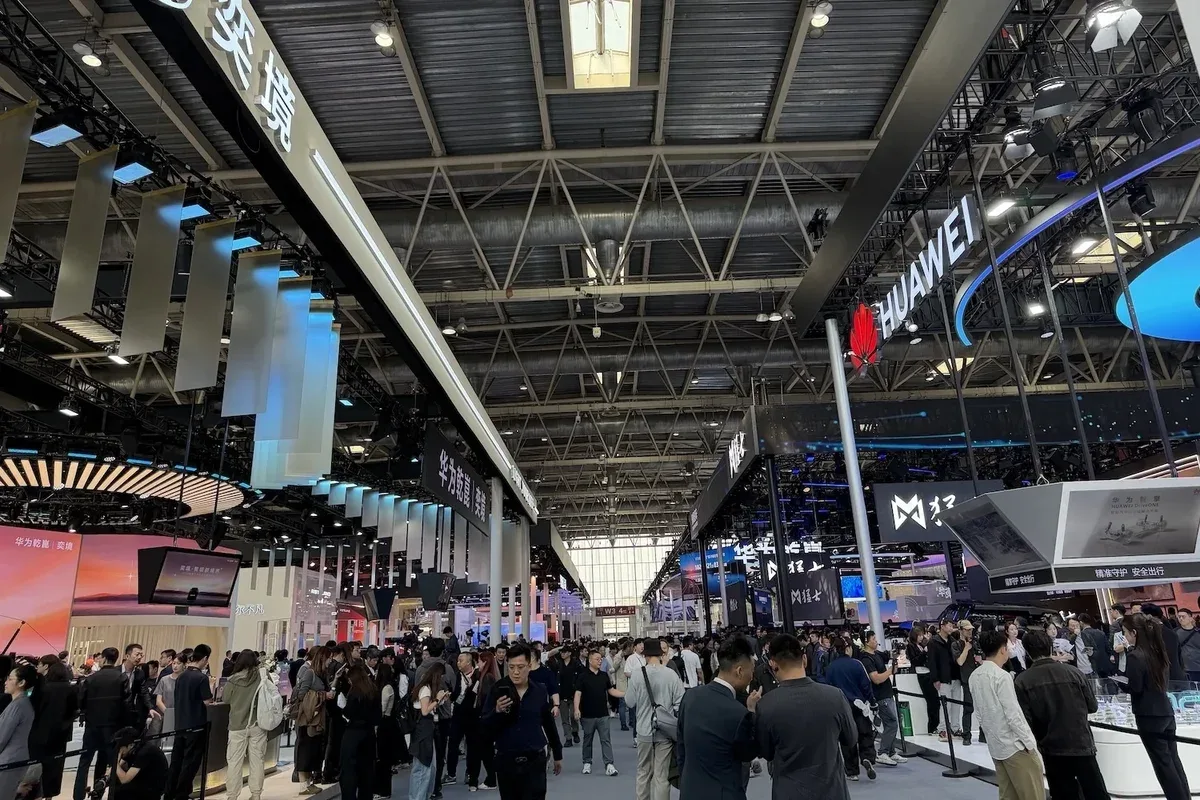
The China Auto Show in Beijing, held at the China International Exhibition Centre, has showcased a dramatic shift in focus towards artificial intelligence and robotics, including driverless car technology. The event, which alternates with Shanghai, spans 380,000 square metres—equivalent to 53 football pitches—making it a sprawling showcase of the latest automotive trends.
Industry leaders highlighted China's unique role in shaping the global car market. Hyundai President and CEO Jose Munoz emphasised that China's complex traffic environment, with pedestrians, cyclists, and diverse driving behaviours, makes it an ideal testing ground for autonomous driving systems. He noted that a system successful in China can be easily adapted to other markets, but not vice versa.
Munoz also pointed to the demanding nature of Chinese consumers, who expect high-quality software and technology in their cars, treating them as living spaces for work and entertainment. This drives rapid development, as Chinese consumers are accustomed to immediate results. He stressed that affordability, achieved through intense competition, is a key lesson exportable to other markets.
Mercedes-Benz sales and marketing boss Mathias Geisen echoed these views, noting that China's younger customer base is driving demand for Level Two+ autonomous driving features. He predicted that such technology will soon become prevalent in Europe as consumers become aware of its availability.