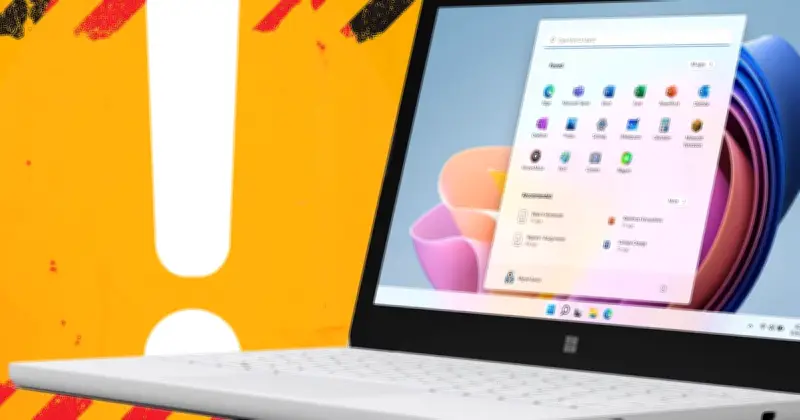
Microsoft users are being urged to stay vigilant as the company continues to be the most frequently impersonated brand in phishing attacks. According to cybersecurity firm Check Point, Microsoft accounts for 23% of all brand impersonation attempts, nearly double that of the next closest brand.
Most Impersonated Brands
In Q2 2026, Microsoft accounted for 23% of all brand impersonation attempts, Check Point confirmed. For the year so far, the list of most impersonated brands is: Microsoft (22%), LinkedIn (11%), Google (6%), Apple (6%), Amazon (5%), Adobe (4%), Facebook (2%), WhatsApp (1%), PayPal (1%), and ChatGPT (1%). Notably, OpenAI's ChatGPT entered the top ten for the first time, signaling a growing focus on AI tools by cybercriminals.
Phishing Techniques to Watch
Phishing attacks often involve fake support pages, urgent update requests sent via email, and alerts claiming that PCs need to download new security patches. Check Point warns that attackers add a sense of urgency, such as payment failures, security alerts, or required updates. Telltale signs include distorted logos, buttons that do not respond, icons that lead nowhere, and strange domain addresses that do not match the real brand.
How to Avoid Phishing
To protect against phishing, verify the sender's identity, avoid clicking suspicious links, use strong passwords, and enable two-factor authentication whenever possible. Be cautious of any message that creates a sense of urgency and check for slight misspellings in domain names or unusual extensions. Domains rarely match the real brand exactly, so a slightly off spelling or an unusual extension is a strong warning sign.