Plans for a large battery energy storage system (BESS) on land off Pound Farm Lane in Tonteg, Rhondda Cynon Taf, have been approved by the council's planning committee. The development, proposed by Pulse Clean Energy, will have an operational lifespan of 40 years before being decommissioned and the land reinstated to its current use.
Project Details and Infrastructure
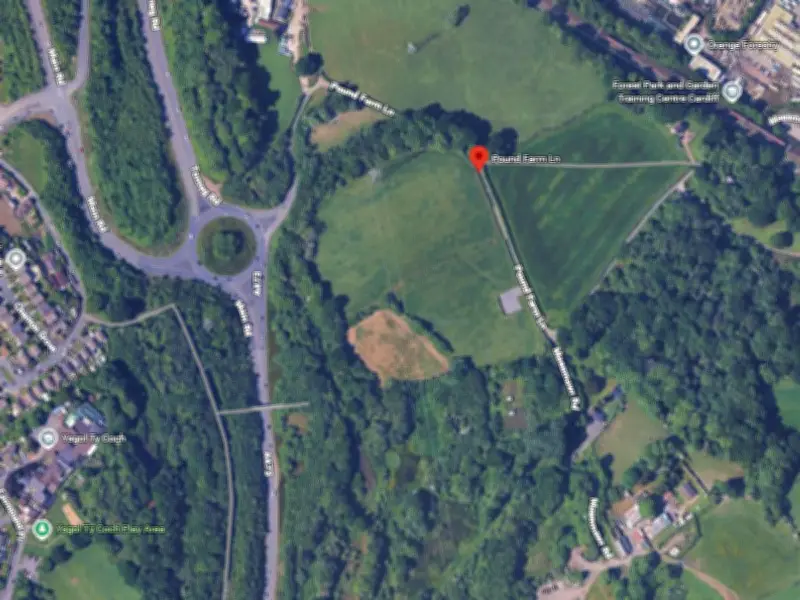
The BESS will be built approximately 80 metres east of the A473, adjacent to an ongoing synchronous condenser facility. The site will include 80 battery containers, 40 power conversion systems, two low-voltage auxiliary transformers, four switch rooms, two parts containers, two welfare containers, a 240,000-litre water tank, two grid connection transformers, a 275kV substation, 16 CCTV cameras, security lighting on four-metre poles, and palisade security fencing. Access will be via the approved maintenance access to the synchronous condenser development off Pound Farm Lane, with a secondary emergency access on the eastern boundary.
Construction and Operation Timeline
Construction is expected to take approximately 12 months, with the majority of deliveries occurring within the first three months. During operation, the BESS will typically be unmanned and operated remotely, with site inspections one to two times per week. After 40 years, the facility will be dismantled and removed, and the land will be restored to its original condition.
Public Response and Councillor Concerns
One public letter received regarding the application requested that the developer help expand the active travel network, linking the community route in Tonteg to Maesmawr Road/Pound Farm Lane. Councillor Loretta Tomkinson acknowledged the need for renewable energy and battery storage but expressed disappointment over the removal of trees on the site.
Planning Officers' Justification
In recommending approval, planning officers stated: 'While the site is situated within a countryside location and outside of the defined settlement boundary where development is generally restricted, national and local planning policy provide clear support for renewable energy schemes and associated infrastructure with significant weight afforded to such proposals.' They added: 'The development, while not generating any energy itself, would play a crucial role in storing and managing renewable energy, improving grid stability, and facilitating the increased use of renewable energy sources.'
With a proposed capacity of up to 200MW, the scheme is expected to help meet the Welsh Government's target of 70% renewable energy by 2030. Officers acknowledged concerns about the industrial appearance in a rural and special landscape area but noted that the landscape has already changed due to approved energy infrastructure nearby, including a large-scale solar farm and the synchronous condenser development. They concluded that 'subject to appropriate landscaping and mitigation, the visual impacts of the development are not considered to be significant or unacceptable in the long term.'
Mitigation and Tree Loss
Impacts on residential amenity were deemed limited due to separation distances, topography, and screening, and noise assessments confirmed no unacceptable effects. Highway impacts were also considered acceptable with conditions. Regarding tree loss, the tree officer raised concerns, but officers noted the trees are not protected and a comprehensive landscaping plan includes additional tree and hedgerow planting as mitigation.