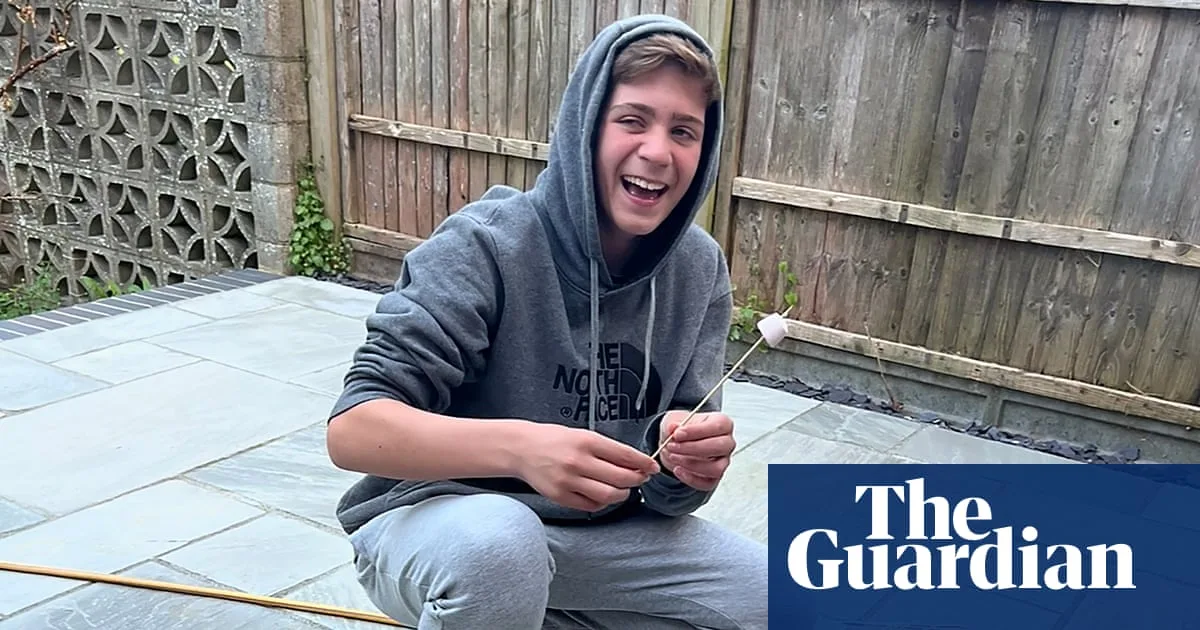
A 16-year-old boy killed himself after asking ChatGPT for the “most successful” way to take his own life, an inquest has been told. Luca Cella Walker, a private school pupil from Yateley, Hampshire, died on 4 May last year.
An inquest at Winchester coroner’s court heard on Tuesday that, hours before his death, Walker had asked the generative AI chatbot for the “most successful” way for someone to kill themself on a railway line. At the time of his death, he was studying at Sixth Form College Farnborough and had recently graduated from Lord Wandsworth College near Hook, Hampshire.
The court heard that the school had a “bully or be bullied” culture, which had been a “formative” factor in his mental health struggles. Walker, described by his family as “kind, sensitive and calm”, had told his parents he was going to his job as a lifeguard but instead travelled to a train station, where he took his own life.
His parents, Scott Walker and Claire Cella, told the inquest they had had no idea about their son’s mental health struggles and described it as an “invisible battle”. DS Garry Knight from the British Transport Police, who investigated Walker’s death, told the inquest: “They found he had been on ChatGPT the night before, at about 12.30am, asking for advice on the most successful ways to commit suicide on the railway. It makes quite chilling and upsetting reading.”
Knight added: “It is built in to say you can contact organisations for help such as Samaritans, but Luca had sidestepped that, which ChatGPT accepted and gave the most effective ways people can [kill themselves] on the railway.” Coroner Christopher Wilkinson told the inquest of his concerns about the impact of AI software but added he felt unable to act due to its growing scope.
A spokesperson for OpenAI, which developed ChatGPT, said: “We have continued to improve ChatGPT’s training to recognise and respond to signs of mental or emotional distress, de-escalate conversations and guide people toward real-world support. We have also continued to strengthen ChatGPT’s responses in sensitive moments, working closely with mental health clinicians.”