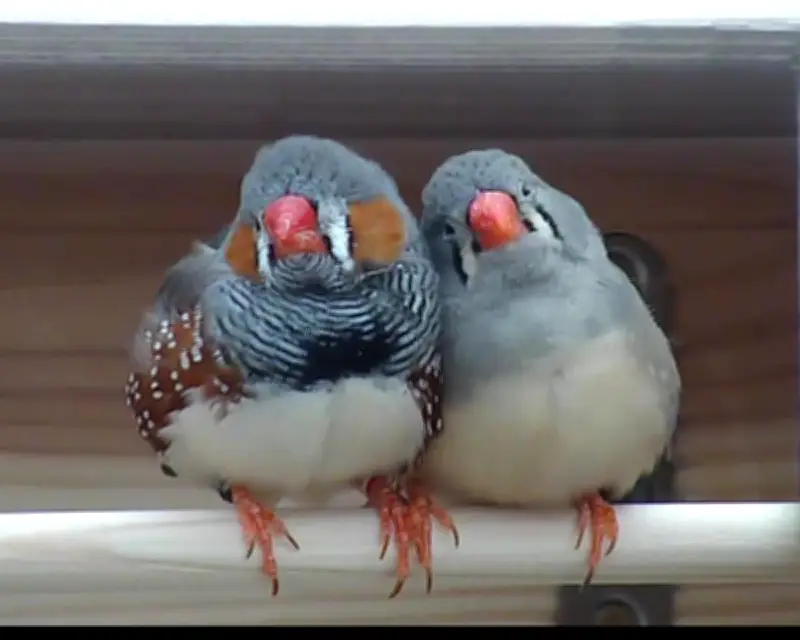
Dr Julie Elie, a scientist at the University of California, Berkeley, has been awarded the 2026 Coller-Dolittle prize for two-way interspecies communication after decoding the vocalisations of zebra finches. The prize, worth $100,000, recognises her work in identifying 11 core calls in the zebra finch vocabulary and their meanings.
How Zebra Finches Communicate
Elie observed and recorded the sounds made by zebra finches, classifying the calls according to the situation and the bird that produced them. She used machine learning to analyse how information was encoded in the calls and conducted tests to confirm that the birds agreed with her classification. Her research revealed that the birds announce who they are and what they are doing, and recognise one another through individual signatures, regardless of the specific call. She also found that the birds sometimes confused calls with similar meanings more often than those that sounded alike.
The Prize and Its Significance
The Coller-Dolittle prize was launched in 2024 by the Jeremy Coller Foundation, which promotes animal welfare and sentience, in partnership with Tel Aviv University. In addition to annual prizes for progress, the foundation has established a $10 million grand prize for achieving two-way human-animal communication. Prof Yossi Yovel, a zoologist at Tel Aviv University and chair of the judging panel, described Elie's work as "a key moment in the field."

Elie's Approach and Findings
Elie chose to study zebra finches because they are highly vocal, providing ample data. "The question I asked myself when hearing these chatty songbirds was what are they saying?" she said. Over more than a decade, she recorded and classified calls, then used machine learning to decode the information. In one test, birds were played calls and could tap a button to skip unrewarding calls, similar to scrolling social media. Their mistakes often involved confusing calls with the same meaning rather than similar sounds, indicating they understand the meaning of their call types.
Expert Reactions
Prof Jonathan Birch, a philosopher at the London School of Economics and a judge, praised Elie's "absolutely phenomenal work" over 15 years, noting she built a dictionary of 11 core words and validated meanings through experimental techniques. "It's a stunning example of how to move rigorously from recording thousands of calls to understanding their meanings," he said. Elie herself expressed being "really super-honoured" and hopes the work advances the "great endeavour" to communicate with animals.
Other Shortlisted Research
Other scientists shortlisted for the prize included a French team that showed how African striped mice reveal identity through ultrasonic squeaks; a Swiss-US team that found bonobos combine calls into sequences resembling human sentences; and another French team that worked with researchers in Côte d'Ivoire to understand chimpanzee hoos and yelps.
Future of Animal Communication
Advances in artificial intelligence are transforming hopes for human-animal communication. Machine learning algorithms help decipher how animal calls convey meaning, though two-way communication remains a challenge. Jeremy Coller, the British billionaire financier behind the prize, is optimistic: "I'm convinced this is now inevitable. It's inevitable because AI is accelerating so fast. I have absolute conviction we will crack the code by 2030, a breakthrough that will benefit humans and our fellow animals the world over."