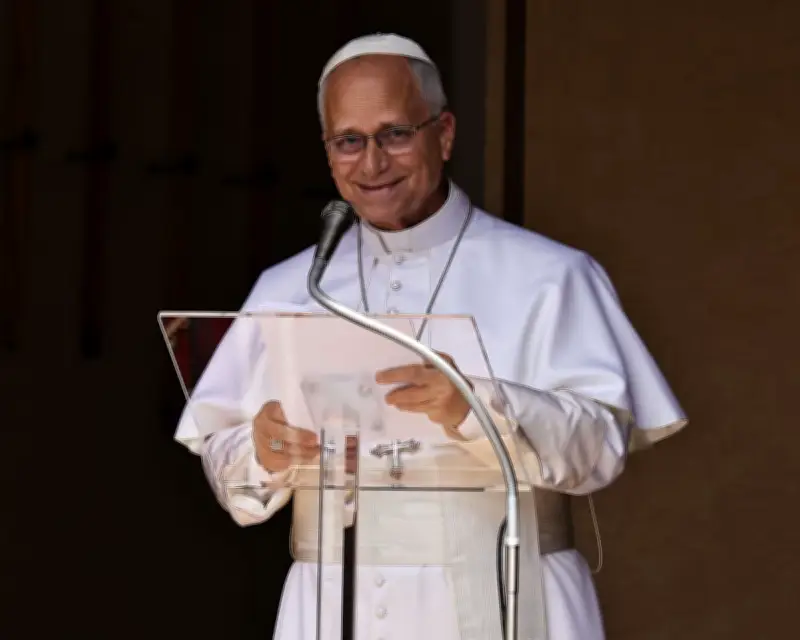
A collection of speeches and writings by Pope Leo XIV has been certified as human-authored by Australian company Proudly Human, less than two months after Leo declared artificial intelligence the greatest threat to humanity.
Certification process
Proudly Human, led by former Australian chief scientist Dr Alan Finkel, reviewed the collection in collaboration with the publisher, the Australian Catholic University and cardinals in the Vatican. The book, Maps of Hope, was published in the same week in May that Leo’s first encyclical, Magnifica Humanitas, warned of AI’s dangers and the risks of concentrated power.
In the encyclical, Leo said AI should be prevented “from dominating humanity” and should be “human-friendly”, accessible to all and open to debate.

Confidence in human authorship
Finkel told Guardian Australia he had a “great deal of confidence” that Leo’s speeches would be human-written. Within a day, Proudly Human certified the collection as human-created. The process typically requires authors to sign up, complete an ID check, and declare they meet minimum standards: AI cannot be used to write the first draft, sentences, or paragraphs.
The company uses AI detection tools that “focus on different nuances” in writing and grammar. “We use a suite of four or five of them and our own averaging algorithm, and we test that suite every night to make sure that they’re really continuously fit for purpose,” Finkel said. “In this case, the book came through, as you would expect, is basically purely human.”
Certifications can be refused or revoked if authorship is misrepresented or falls outside published standards.
Importance of disclosure
Finkel hopes that in lieu of government regulation, people can use the information to know whether writing was human-produced. “They deserve to know. I actually think it’s a fundamental right [for] human beings,” he said, especially for religious figures. “If you’re sitting in a church and you’re expecting that that is the genuine expertise, religious wisdom, of the priest who’s delivering the sermon.”
Prof Zlato Skrbis, president and vice-chancellor of the Australian Catholic University, said in a statement that with so much online content generated quickly, it was valuable to “say with confidence that a work is a product of human reflection and judgment”.