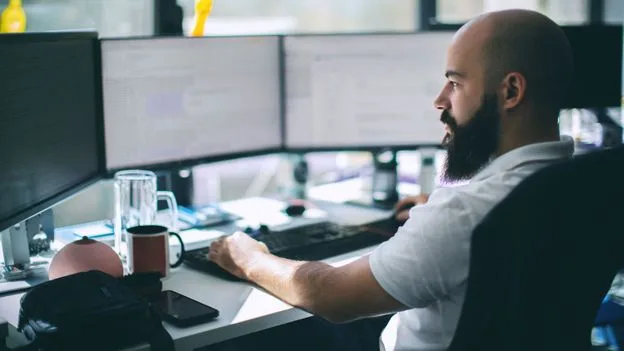
An increasing number of companies are monitoring their employees, but evidence suggests it often does more harm than good. Before the pandemic, Mark, an IT worker at a US industrial firm, enjoyed autonomy in his role. However, when the company transitioned to remote work, surveillance began immediately. The firm used software that allowed managers to remotely control employees' systems, requiring Mark's team to share their passwords. Mark says the constant monitoring made him anxious and contributed to burnout.
Workplace monitoring has surged since the pandemic began, with some estimates suggesting the number of large firms monitoring workers has doubled since 2020. Methods include recording keystrokes, taking periodic screenshots, recording calls or meetings, accessing webcams, and enabling full remote access. Karen Levy, associate professor at Cornell University, says many firms embrace monitoring because they believe it ensures productivity of remote employees.
However, research indicates surveillance can backfire. A 2021 study by ExpressVPN found that nearly 80% of bosses use monitoring software. Levy notes that some companies use predictive analytics to anticipate worker behaviour, such as whether they might ask for a raise or leave for another job. Software that monitors search history and social media can reveal job hunting activity, while trackers capturing tone of voice indicate engagement levels.

Not all monitoring stems from suspicion; some firms are required to do so for security or regulatory compliance. But most choose to monitor. Microsoft's 2022 Work Trend Index survey showed that 85% of leaders doubt their workers' productivity, a phenomenon dubbed 'productivity paranoia'. David Welsh, a professor at Arizona State University, notes that surveillance can lead to stress, cause employees to quit, and even make workers perform worse intentionally.