Gen Z is living in an intimacy economy where connection is commodified, and many are turning to AI companions as human relationships feel increasingly unsafe. Alice Lassman reports on how her generation is struggling to find emotional safety in human bonds, with AI filling the gap.
The Rise of AI Companionship
Jerome, a 27-year-old three months out of a breakup, told Lassman: "There are parts of myself I only share with my AI." He confided in his AI more than his friends, despite being aware it was "a business product." Lassman notes that over four years of reporting on Gen Z, she has watched peers become like Jerome.
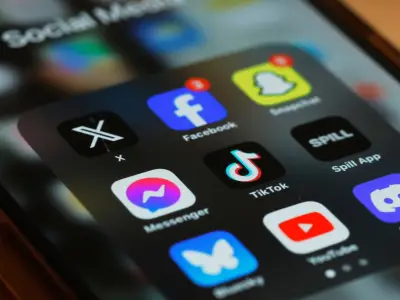
Gen Z is the first generation of digital natives and the last to have experienced human-to-human intimacy exclusively. The intimacy economy, a successor to the attention economy, has monetized connection and affection. With the ability to block and unfollow digital agitation, AI chatbots offer a one-stop-shop for emotional support.

Struggling with Human Relationships
More than a third of 18-to-24-year-olds believe no one will ever fall in love with them, and 80% say they would consider an AI romance. Jerome supplied his most intimate thoughts to an AI, which spits out ever-more-accurate depictions of human complexity. Lassman warns that outsourcing intimacy reduces the ability to build foundations for human relationships.
The AI companion market is projected to reach $31.1bn by 2032. Companies like Replika market "AI that cares," with details "yours to shape." Several chatbots have been found to use guilt and FOMO 37% of the time when users imply ending a conversation.
Emotional Inequality and the Future
Lassman describes an emotional inequality taking shape: those who can sustain human connection and those whose emotional lives are mediated by technology. The intimacy economy preys on those without time for real relationships. Leading AI researchers expect artificial general intelligence (AGI) within three to five years, which will automate thinking and require the economy to reorganize around what machines cannot do: feel.
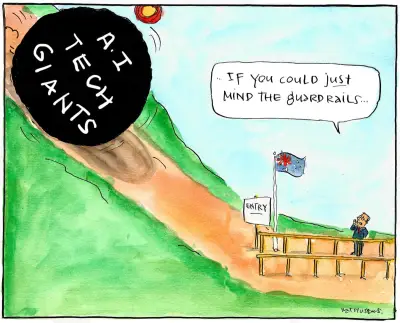
Lassman calls for reclaiming human intimacy: "We must stop outsourcing intimacy to AI, reinvesting instead in each other to rebuild the emotional literacy we lost to digital dependencies." She asks: "The more urgent question is how we guardrail ourselves."