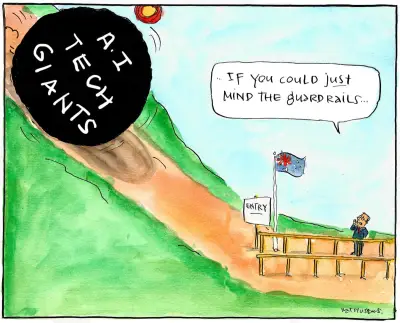
Earlier this year, Paul discovered via media stories that his business group faced job cuts, partly due to AI integration. This was the second restructuring for him, after his technical management role was changed in 2024. Despite his efforts to stay updated—including AI training—he now fears his entire team will be replaced. Paul and his partner are expecting a child and recently bought their first home, adding financial pressure.
Fobo: The Fear of Becoming Obsolete
Psychologists Dave Winsborough and Gaynor Parkin describe Paul's experience as Fobo—fear of becoming obsolete—a growing workplace anxiety. People worry their roles will become irrelevant due to technology, and many are unsure how to prepare. Paul sought help to navigate his career and cope with the emotional fallout.
His profession has been hit hard by cutbacks, with more expected. Retraining or switching industries is difficult without a financial buffer, and there's no guarantee AI won't affect new roles.

Don't Get Stuck in Doom: Prepare Actively
In April, MIT Future Tech researchers published empirical findings on AI's real-world impact. They argue predictions of doom are inaccurate. Instead, workers should view AI as a rising tide—visible in advance, allowing time to prepare. Paul is already doing this by seeking help.
Experts suggest cultivating uniquely human skills that machines can't replace:
- Curiosity: Seek new learning and perspectives. Use AI to widen your view but stay engaged beyond screens.
- Humility: Grow self-awareness. Reflect on strengths and weaknesses, invite honest feedback.
- Emotional intelligence: Empathy and connection become more valuable.
Network and Collaborate
People succeed more when staying connected with others. For Paul, this means talking with colleagues, attending events, and reverse mentoring—exchanging ideas with younger or tech-savvy peers. He also shows compassion for his team's distress while managing his own anxiety.
Seek Out the Best Organisations
Actively seek organisations using AI strategically and with a supportive culture. AI accelerates existing factors, so culture can make or break an AI rollout. For Paul, validating the fear while enhancing human super-talents, staying connected, and finding good organisations are key to managing Fobo.