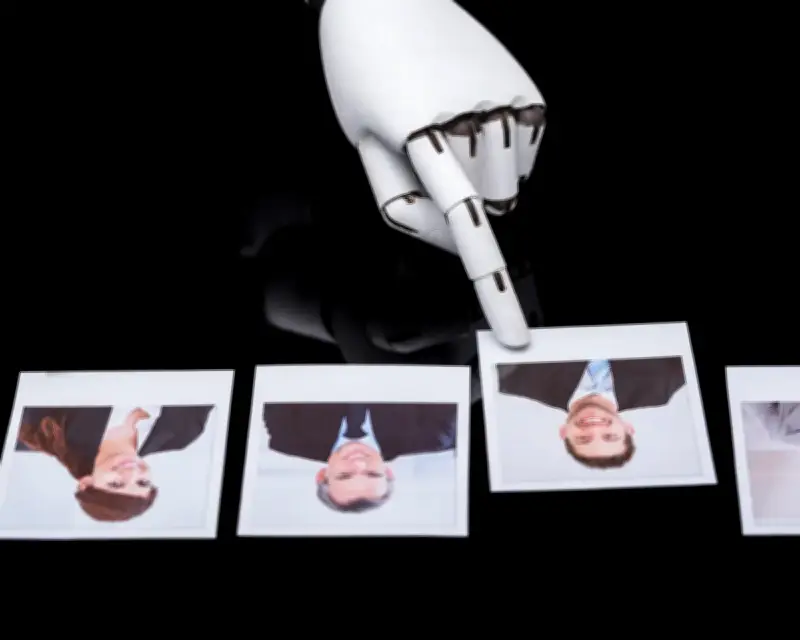
Giselle Au-Nhien Nguyen, a writer with 15 years of experience across various jobs, recently encountered a first: being interviewed by an AI assistant for a preschool education role. She describes the experience as dystopian and dehumanising, leading her to withdraw her application.
An Unexpected Interview Format
After completing her first year of a masters degree in early childhood and primary teaching, Nguyen applied for a role at a sessional kindergarten managed by a not-for-profit. Her excitement at being shortlisted faded when she realised she would be speaking with an “AI assistant”. Despite this, she dressed as for any other interview, shooed her cats out of the room, and sat down at her laptop to begin.
A disembodied voice greeted her by name. Nguyen found it disconcerting to see herself in the video window with no one else visible, but she pushed through. When she paused to consider a tricky question, the AI booted her off the interview entirely. She had to click the link to restart.
Questions and Irony
At the end, the AI asked if she had questions, but answered them with regurgitations from the job ad. For clarification, she would need to speak with a manager. The AI thanked her and said her video would be reviewed by the company.
Afterwards, Nguyen posted on early childhood forums and met shock from industry peers, including senior people. She argues that outsourcing recruitment for a profession centred on caring for and educating children to a machine seems lazy at best and negligent at worst, especially amid Australia’s childcare crisis.
Withdrawal and No Response
Nguyen noticed the organisation’s website had AI photos of “educators”, and wondered if the interview signalled labour erasure to come. She decided to withdraw her application, emailing the organisation to explain why. Over a month later, she has received no response or acknowledgment, and still has not spoken to a single human being.
Reflecting on the children she could have taught, she concludes: “I want better for them. I want better for all of us.”