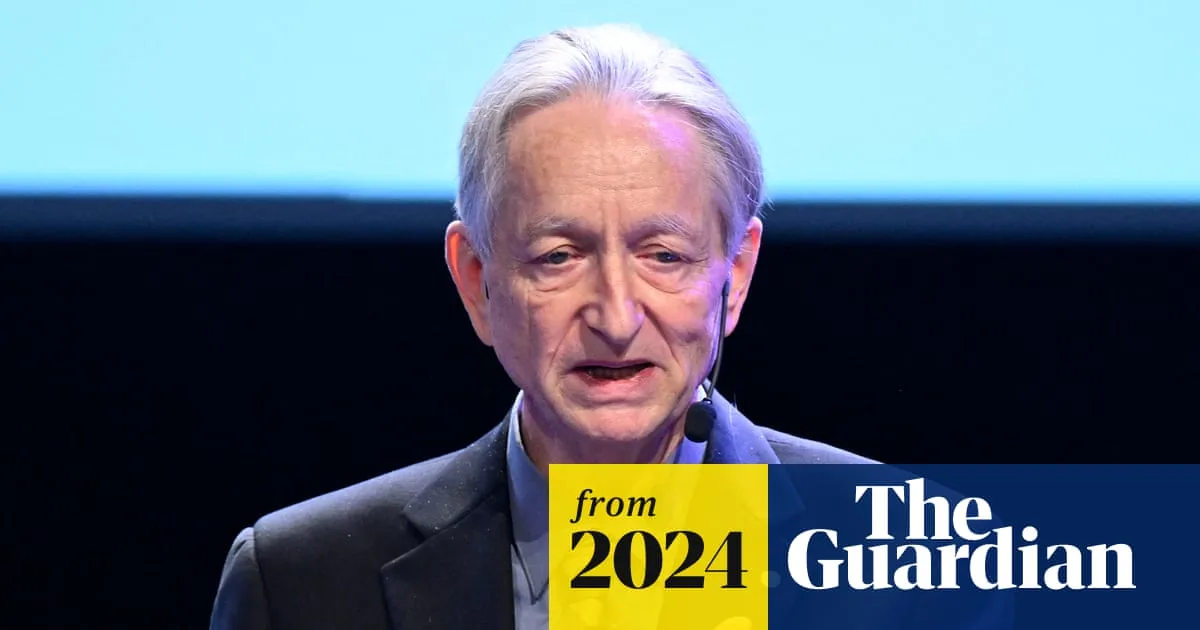
Geoffrey Hinton, the British-Canadian computer scientist often called the 'godfather of AI', has increased his estimate of the likelihood that artificial intelligence will lead to human extinction within the next 30 years. In a BBC Radio 4 interview, Hinton said the chance is now between 10% and 20%, up from his previous 10% prediction.
Hinton, who won the Nobel Prize in Physics this year for his AI work, warned that the pace of change in AI is 'much faster' than expected. He compared the relationship between humans and advanced AI to that of a toddler and an adult, saying 'we'll be the three-year-olds'.
The professor emeritus at the University of Toronto expressed concern that more intelligent systems could evade human control. 'How many examples do you know of a more intelligent thing being controlled by a less intelligent thing?' he asked, citing only the example of a mother and baby.
Hinton resigned from Google last year to speak openly about AI risks. He called for government regulation, arguing that 'the invisible hand is not going to keep us safe' and that only regulation can force companies to prioritise safety research.
While Hinton's views are stark, fellow 'godfather of AI' Yann LeCun of Meta has downplayed the existential threat, suggesting AI could instead save humanity from extinction.