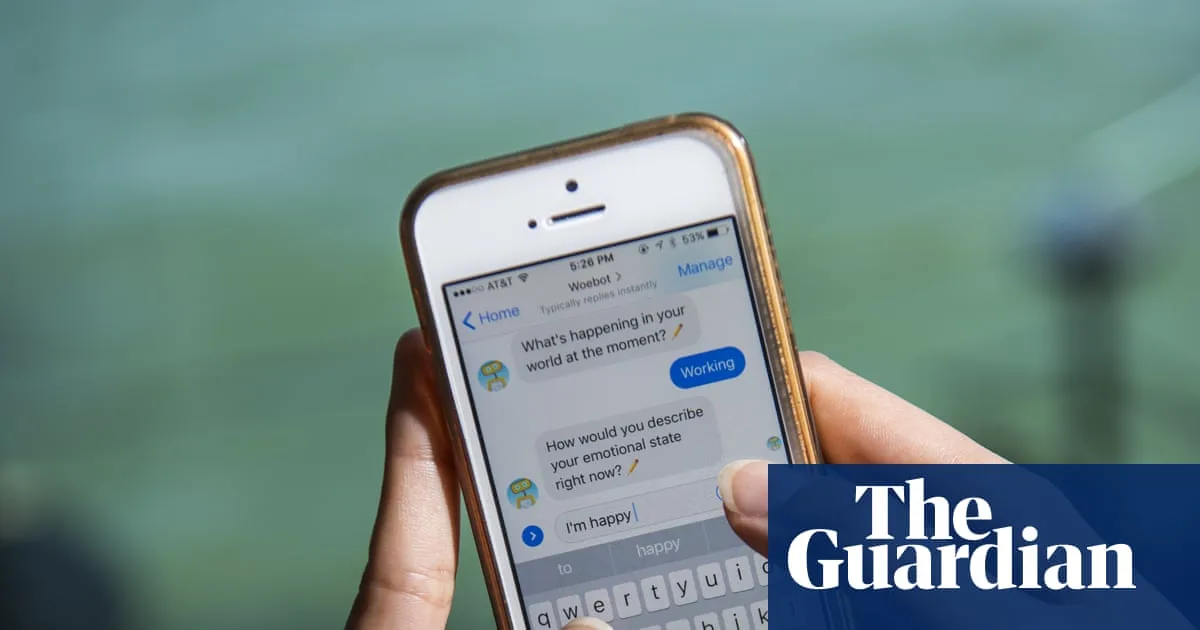
Psychotherapists have warned that vulnerable people turning to AI chatbots for mental health support could be 'sliding into a dangerous abyss'. They report seeing negative impacts such as emotional dependence, exacerbated anxiety, self-diagnosis, and amplified delusional thoughts or suicide ideation.
Dr Lisa Morrison Coulthard of the British Association for Counselling and Psychotherapy said two-thirds of its members expressed concerns about AI therapy in a recent survey. She warned that without proper oversight, 'some of the most important elements of therapy are lost and vulnerable people are in the dark over safety'.
Dr Paul Bradley from the Royal College of Psychiatrists stated that AI chatbots are 'not a substitute for professional mental healthcare nor the vital relationship that doctors build with patients'. He called for appropriate safeguards and greater state funding for talking therapy delivered by professionals.
Emerging evidence suggests mental health harms. A preprint study in July reported that AI may amplify delusional or grandiose content in interactions with users vulnerable to psychosis. Co-author Hamilton Morrin from King's College London said chatbot use to support mental health was 'incredibly common' and noted risks of emotional dependence and lack of boundaries.
Matt Hussey, a BACP-accredited psychotherapist, said clients bring chatbot transcripts to sessions to tell him he is wrong. He noted that chatbots rarely challenge faulty assumptions, instead reinforcing the user's original belief and entrenching misunderstandings.