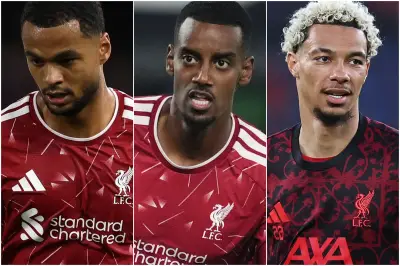
Elliot Anderson has completed a remarkable journey from a League Two loan at Bristol Rovers to becoming the most expensive British player in history, with Manchester City agreeing to pay £116 million for his services. The 23-year-old midfielder's relentless progress has seen him establish himself as a key figure for England at the World Cup, showcasing his fitness, defensive prowess, and attacking intent.
Early Days at Bristol Rovers
At Bristol Rovers, teammates would fight to be on Anderson's side in training five-a-sides, knowing they would win. Even as a teenager, he was a cut above more experienced peers, playing a pivotal role in the club's promotion to League One. This loan was the first step on his path to stardom, though his return to boyhood club Newcastle initially proved challenging.
Struggles at Newcastle and Move to Forest
Anderson returned to Newcastle to find a squad stacked with talented midfielders, struggling to cement a place. His main contribution at St James' Park was helping the club avoid financial penalties, with his homegrown status facilitating a £15 million move to Nottingham Forest in 2024. At the City Ground, he established himself as one of the country's best midfielders, causing pain to Geordies with his performances.
Fitness and Availability: A Key Asset
Anderson's fitness is an important trait; he does not miss matches. This season, he started all but one of Forest's league games, coming on in the other, and clocked up 3,334 minutes of a possible 3,420—effectively playing five more games than City's most-used midfielder, Bernardo Silva. In a hectic schedule, availability will be crucial for City, who will compete in four competitions.
Comparison with Declan Rice
Anderson and England colleague Declan Rice have endured similar schedules over the past two months, going deep in European competitions and fighting to the end in the league. However, Anderson looks fitter and more mobile at the World Cup. This is not a criticism of Rice, who has been managing neural pain in a hamstring since Christmas, but testament to Anderson's durability.
Defensive and Attacking Contributions
With Rodri's future uncertain and fitness problems affecting the Spaniard, City needed to strengthen in midfield. Nico González has never convinced, and Mateo Kovacic has spent time on the sidelines. Anderson is more combative, winning 297 duels and intercepting passes at a greater rate than any City midfielder, making him a fantastic asset to win possession. He also moves the ball forward, playing passes into the box with greater regularity than anyone at City, aiming to feed Erling Haaland and others in dangerous areas.
Positional Versatility
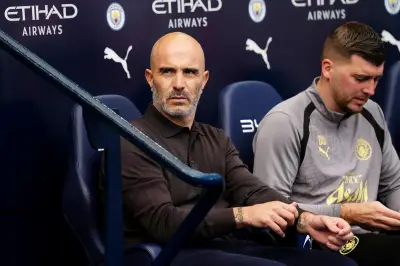
Anderson is an intelligent footballer, able to adapt position when required, offering the fluidity demanded by City manager Enzo Maresca. He can play as a No. 6, No. 8, or No. 10, justifying the expense of his signing. At Forest, he went through four head coaches in eight months and was the fastest to understand the subtle differences demanded by each, transitioning successfully from Nuno Espírito Santo's conservatism to Ange Postecoglou's all-out attack.
Professionalism and Future Potential
Anderson is a diligent professional with a barely blemished fitness record. Leaving Newcastle was painful and made him more determined to shine as an elite player. Forest knew the potential they had acquired, but the rapid trajectory has surprised even them. Adding more goals and assists would be the next step, and being at a more attack-minded club should further develop those skills.
City have lost senior players like Kevin De Bruyne, Kyle Walker, Ilkay Gündogan, and Silva over the past two summers. Maresca will need leaders on and off the pitch, and Anderson, though humble and quiet, sets an example through his dedication and work ethic—an important trait within an increasingly young group.
Inspiration for Young Footballers
Anderson's journey illustrates what time on the pitch can do for development. When other young footballers see his progress over two years—from peripheral figure at Newcastle to the most expensive British footballer and World Cup mainstay—they will know leaving their comfort zone can be hugely beneficial. For Anderson, it has changed his life, and there is plenty more to come.