Austria and Algeria are poised to meet in their final World Cup 2026 group stage encounter on Sunday night, with neither side likely to be overly enthusiastic about the prospect of victory. FIFA's revamped format for the 2026 edition expanded the tournament from 32 teams to 48, increasing the number of groups from eight to 12. Consequently, finishing third no longer results in automatic elimination, and that removal of jeopardy has created a bizarre situation ahead of the knockout stages.
FIFA's rule change creates perverse incentives
This significant rule change means defeating a rival carries considerably less weight than simply racking up goals against weaker group opposition. There has been widespread criticism over FIFA's rule change and the potential threat it poses to the integrity of the competition. Not only have matches been labelled as 'dead rubbers', essentially meaning there is nothing at stake beyond pride, FIFA's rule amendment has actually meant that, for certain teams, it may be preferable to lose rather than to win in front of their travelling supporters.
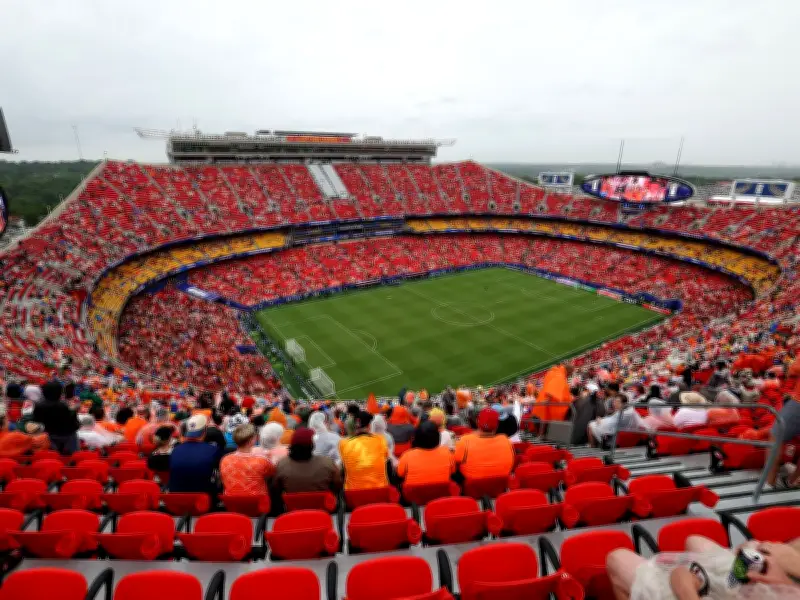
This could prove true for both Austria and Algeria, who go head-to-head in a Group J clash on Sunday. Rather than scrapping it out for victory as they did in their opening two matches, both nations might be better served by throwing the result and losing in Kansas City.
Spain await the group winner
Should Spain defeat Uruguay on Saturday morning, they will top Group H with seven points, having thrashed Saudi Arabia 4-0 in their previous outing and playing out a goalless draw with Cape Verde in their opening group fixture. This means the side finishing second in Group J would face the 2010 world champions. With Argentina already confirmed as group winners and Jordan eliminated on the head-to-head rule, either Austria or Algeria will claim second or third place respectively. In essence, whichever side wins the match knows they will face Spain in the next round.
It's a knockout tie many would expect Luis de la Fuente's men to navigate comfortably. And that is precisely why both Austria and Algeria might be tempted to lose the game.
'Disgrace of Kansas City' comparisons
The situation has been branded the potential 'Disgrace of Kansas City' by football fans across social media, including Boston University economics professor Florian Ederer. "90 minutes of passive passing around at the back, 0-0 draw guarantees that both teams go through... and nobody wants to win because they have to play Spain in R32!" Ederer tweeted. The reference harks back to the 'Disgrace of Gijon' 44 years ago, when Austria capitulated against West Germany in a 1-0 defeat at the 1982 World Cup during their final group match at El Molinón in Gijon. Ironically, it was Algeria who paid the price with an early exit as a direct result of Austria's defeat.
It leaves both managers facing a peculiar situation in which neither side particularly wants to claim all three points. Even if Austria hold Algeria to a draw, it still does nothing to help them avoid Spain due to the goal difference rule, which comes into play when the head-to-head record is level.
Austria's optimal outcome
In fact, a 1-0 defeat for Austria would likely represent their most favourable outcome. That would see them slip to third place while maintaining a decent enough goal difference to finish eighth or higher in the third-placed teams standings, securing their progression. Austrian coach Ralf Rangnick has been open about his reluctance to be drawn against Spain in the Round of 32. Speaking to reporters this week, per Mundo Deportivo, the former Manchester United interim boss said Spain "is not an opponent anyone would want to face."
Algeria's delicate balance
Algeria must tread carefully in pursuing such a strategy, however. Should they suffer a two-goal defeat, they would fall below Scotland in the third-place standings, leaving them dangerously close to the elimination zone, where Cape Verde, Belgium, DR Congo and Senegal currently find themselves. Algeria coach Vladimir Petkovic conceded that his side have put themselves in a strong position, yet hinted they may not simply accept defeat. "I think ultimately we've produced two good performances. Ultimately to have our fate in our own hands. Nothing has yet been decided, but we're in a good position," he told reporters.