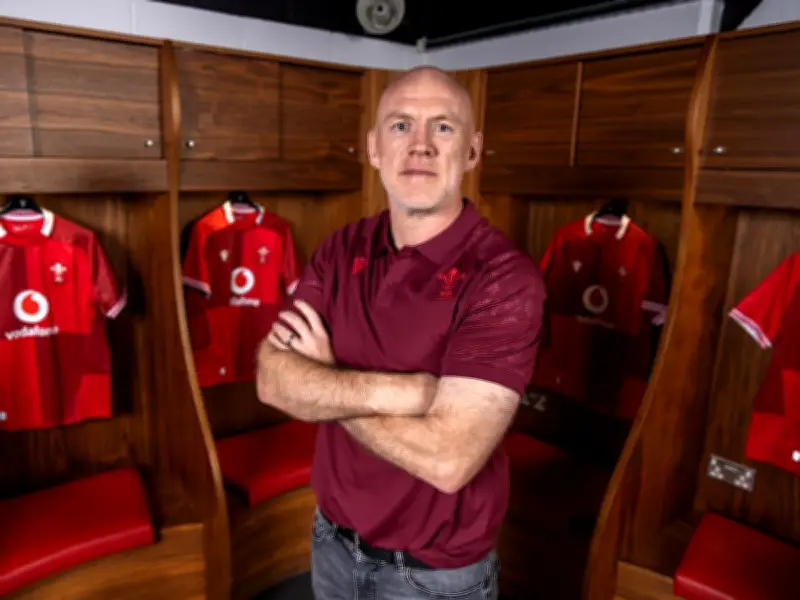
A year ago to the day, the Welsh Rugby Union appointed Steve Tandy as their new head coach of the national team. Having seen Warren Gatland walk away after a disastrous second stint that brought 14 successive Test defeats, it was vitally important that the WRU got the next decision right. Gatland had been a desperate attempt by then CEO Steve Phillips to cling onto power, which ended poorly. Despite a brief upturn at the 2023 World Cup, Gatland's second spell was dreadful, with successive defeats to Italy and a first loss to Fiji in Cardiff, plummeting Wales down the rankings.
Results Under Tandy: A Mixed First Year
Of the 12 Tests so far under Tandy, Wales have won three — scraping past Japan, then beating Italy and Fiji. There have been heavy defeats to South Africa (twice), Argentina, New Zealand, England, and France. Defeats to Ireland and Scotland were more palatable given competitive performances. Tandy has won a quarter of his matches, marginally better than Gatland's six wins in 26 matches during his second stint, though Gatland's wins came with experienced players like Dan Biggar and George North. Two of Tandy's three victories were against sides ranked higher than Wales at the time — the same number as Gatland's six wins against top-eight nations (the last being Fiji in 2023).
Positives: Set-Piece and Red-Zone Efficiency
Under Tandy, the set-piece has become a reliable part of Wales' game. Ben Carter has established himself as a first-choice lineout caller, making that area trustworthy. The driving maul has become a source of try-scoring opportunities in the red zone, and strike moves using Rhys Carre have shown clinical edge. The scrum has been solid, with Dillon Lewis, Tomas Francis, and Ben Warren performing at Test level. Tandy has also improved alignment and communication, with camps throughout the season strengthening messaging and coaches engaging more with regions than predecessors.
Negatives: Defence, Attack, and Selection
Defensively, Wales showed improvement in the Six Nations, staying in games for 80 minutes against Ireland and Scotland before beating Italy. However, tweaks by defence coach Pete Murchie were tested against world-class teams in Argentina and South Africa, exposing vulnerabilities. Attack remains a concern: Wales lack cutting edge in phase play, struggling to create line breaks and get strike runners into the game. They have flitted between playing off nine and off ten without a reliable threat. Selection has been inconsistent, with Tandy changing his side match to match, and the ball-playing inside centre role remains unchanged despite calls for change.
Tangible Progress and the Road Ahead
Despite recent setbacks, Wales have arguably made progress, but the rebuild feels glacial. Those close to the team have described it as a multi-year job to turn around a rudderless ship. Targeting a scalp higher than ninth in the world is the next stepping stone, with Australia this autumn as an opportunity. The jury is still out after a year, but the scale of the task should not be forgotten.