Pakistan Government Approves T20 World Cup Entry But Boycotts India Clash
Pakistan Boycotts India in T20 World Cup, Government Approves

In a significant development that intertwines sport with international diplomacy, the Pakistan government has granted approval for its national cricket team to compete in the forthcoming Twenty20 World Cup. However, in a move that underscores the deep-seated geopolitical rift between the two nations, officials have confirmed that the team will boycott its scheduled match against arch-rivals India.

Government Sanctions Participation with a Major Caveat

The decision was formally announced via an official post on the government's social media account. The statement explicitly declared that while permission has been given for the squad to take part in the global tournament, the players "shall not take the field in the match against India." This match was set to be held in Colombo on the 15th of February, as part of the Group A fixtures.

Historical Context and Geopolitical Stance

This boycott is not an isolated incident but rather a continuation of a long-standing policy. Pakistan has maintained a firm stance of not touring India for cricketing events due to persistent and severe geopolitical tensions. Bilateral cricket series between the neighbours have been suspended for years, a situation exacerbated by a military conflict last year that nearly escalated into a full-scale war.

Wide Pickt banner — collaborative shopping lists app for Telegram, phone mockup with grocery list

The fraught political relationship has forced the International Cricket Council (ICC) to intervene previously, brokering arrangements for matches to be held at neutral venues whenever India hosts a major international tournament. Pakistan, the 2009 T20 World Cup champions, had earlier named their squad for the 20-team competition, which begins on the 7th of February, but stressed that their final participation was contingent on receiving government clearance.

A Serious Blow to the Tournament's Appeal

The decision to withdraw from the India match represents a substantial setback for the tournament organisers and fans worldwide. An India-Pakistan cricket clash is universally regarded as the sport's greatest blockbuster fixture, generating unparalleled viewership and commercial revenue. Its absence will undoubtedly leave a considerable void in the event's schedule and atmosphere.

Precedent of Political Tensions Impacting Cricket

This is not the first instance where political discord has disrupted the T20 World Cup. In a related development, Bangladesh have been replaced by Scotland in the tournament after refusing to travel to India over cited safety concerns. These incidents highlight the ongoing challenge of separating sport from international politics within the cricketing world.

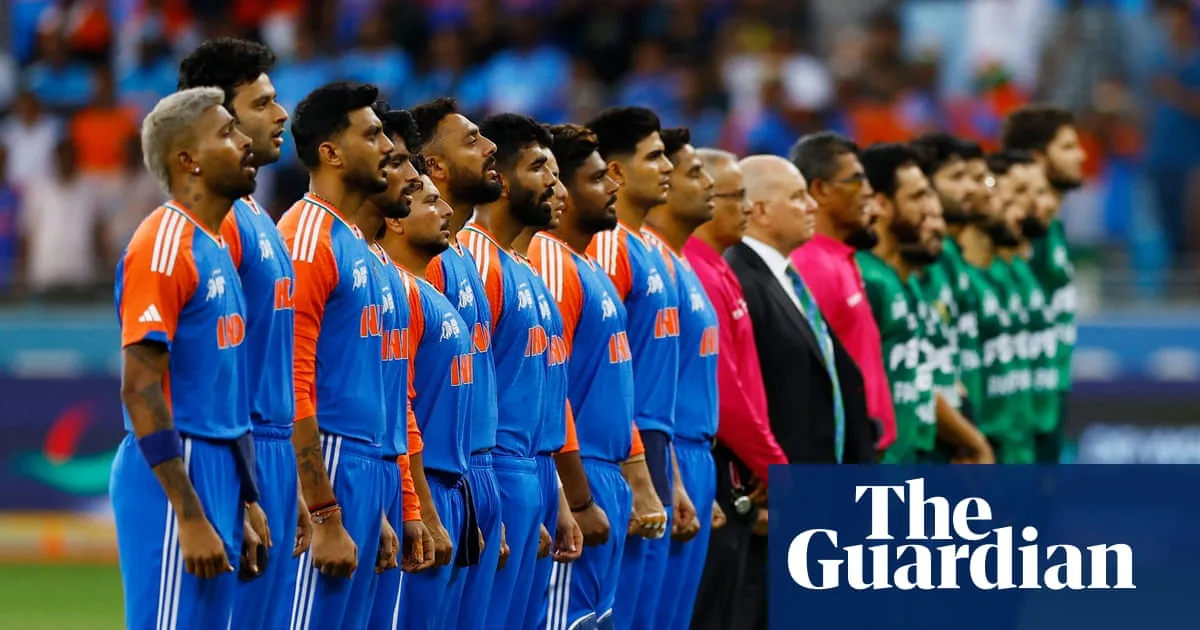
The latest boycott further entrenches the soured relations between India and Pakistan, which were vividly displayed during last year's Asia Cup in Dubai. Although India secured three victories over Pakistan in that tournament, including a win in the final on the 28th of September, the aftermath was marred by diplomatic snubs. The Indian team refused to shake hands with their Pakistani counterparts and declined to accept the trophy from Asian Cricket Council chief Mohsin Naqvi, who also serves as Pakistan's Interior Minister.

Implications for the Future of Cricket Diplomacy

This government-mandated boycott raises serious questions about the future of cricketing engagements between the two nations. With Pakistan adhering to its policy of not playing in India and now refusing to compete even at a neutral venue, the prospects for any normalisation of sporting ties appear increasingly remote. The situation serves as a stark reminder of how deeply political conflicts can permeate and disrupt the world of international sport.

Pickt after-article banner — collaborative shopping lists app with family illustration