ECB Introduces Groundbreaking Player Replacement Trial for County Championship
The England and Wales Cricket Board (ECB) has confirmed a significant rule change, launching a season-long trial that will permit player replacements in the County Championship for the first time. This innovative move allows counties to substitute players who suffer injuries, fall ill, or experience significant life events, marking a departure from previous regulations that only allowed replacements for suspected concussions or England squad call-ups.
Expanding Replacement Rules Beyond Concussion Protocols
Under the new trial, replacement players will be able to participate fully in matches as batters and bowlers, unlike substitute fielders who have limited roles. This change follows similar trials in first-class cricket in India, South Africa, and Australia, initiated by an International Cricket Council (ICC) directive. For instance, in the Sheffield Shield final, Victoria benefited by bringing in Mitchell Perry for an injured Sam Elliott, with Perry striking on his first ball, though South Australia ultimately won the match.
Addressing Player Welfare and Match Integrity
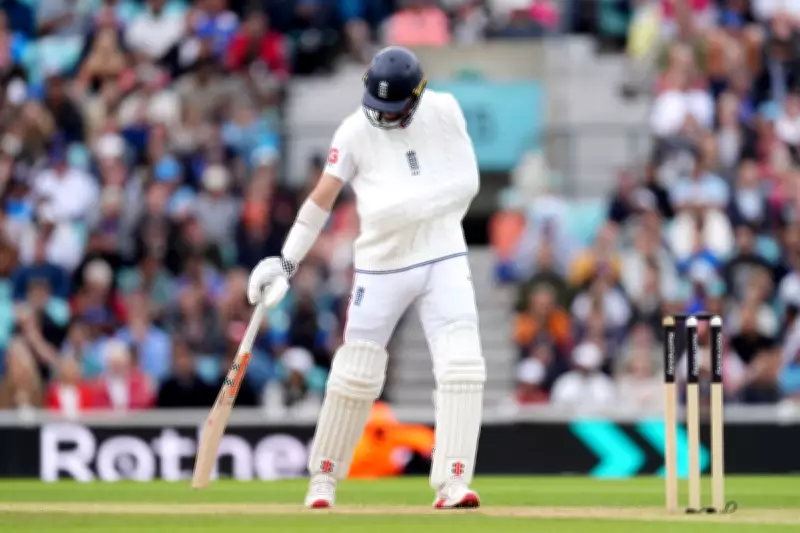
The ECB anticipates that approximately one in every four County Championship matches will be impacted by this trial. In addition to injury and illness, counties can replace players for "significant life events," such as attending a child's birth or dealing with a bereavement in the immediate family. This aims to prevent scenarios like Chris Woakes batting with his arm in a sling for England against India last summer or Nathan Lyon limping out at Lord's during the 2023 Ashes, which could compromise player safety and match quality.

Regulatory Framework and Ethical Expectations
To ensure fairness, players replaced due to injury or illness must observe an eight-day stand-down period from county competition, with both counties' chief medical officers required to approve the change. For replacements due to significant life events, approval must come from both clubs' chief executives. Alan Fordham, the ECB's head of cricket operations, emphasized the importance of ethical compliance, stating, "We're relying on their medical ethics, their medical integrity. All being well, they won't be signing on a dotted line that they shouldn't be signing on."
Fordham warned that if teams push the boundaries of the regulations, it could lead to a rollback of these measures. He urged counties to support the initiative, highlighting that it is designed to promote high-quality cricket and player care, rather than having players compete when they shouldn't. The trial begins with the new County Championship season starting on Friday, and its success could pave the way for broader adoption in international cricket, potentially ending similar incidents in Test matches and other high-stakes games.