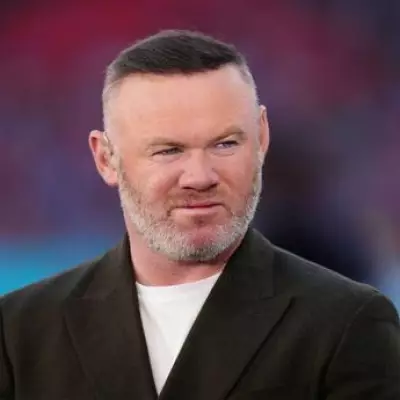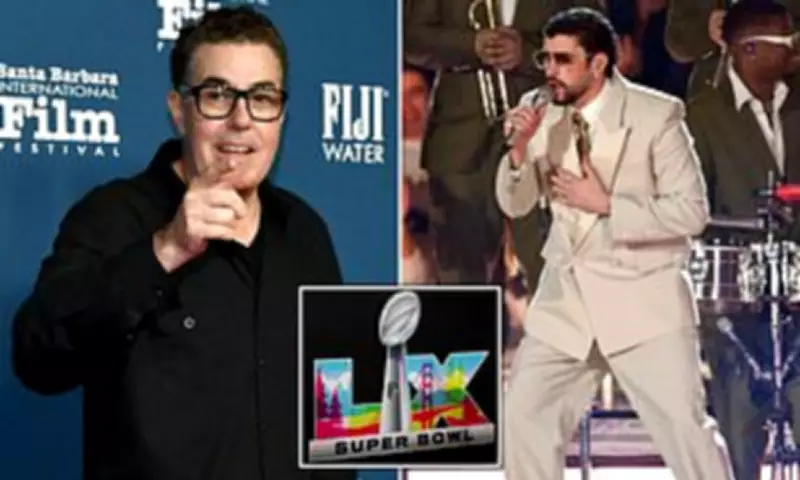
Comedian and podcast host Adam Carolla has issued a stark warning to the National Football League, suggesting its decision to feature Bad Bunny as the Super Bowl halftime performer risks alienating the league's most dedicated supporters. In an exclusive interview with the Daily Mail, Carolla expressed his blunt disapproval of the choice, framing it as a miscalculation that could damage the NFL's brand identity.
A Calculated Risk That Could Backfire
Carolla, speaking after a performance at the Trump-Kennedy center and ahead of appearances in Orlando and Naples, Florida, argued the NFL is making a strategic gamble. "The NFL has figured out that their fans are their fans, and the old fans aren’t going anywhere, and we need to reach out to new fans," he stated. However, he cautioned this approach mirrors past corporate missteps. "You know, Bud Light thought they had their fans, and they weren’t going anywhere, and Cracker Barrel thought they had their fans... I think it’s happened a time or two where companies and entities figured they had their fans locked in, let’s go with other fans," Carolla explained, highlighting the potential peril of neglecting a core audience.
Clashing Cultures and Political Undertones
The comedian specifically criticised the perceived mismatch between the NFL's traditional image and Bad Bunny's performance style. "The NFL is very, you know, Dodge Ram pickup trucks, and dudes… colliding with one another, and it’s like, it’s very male-centric, and it’s also very American," Carolla said. "And yet, the halftime show rolls around, and we make it all for women, or Puerto Rican women, or the trans community, or something." He added that many fans would prefer classic rock acts, noting, "A bunch of people would rather hear Ted Nugent."

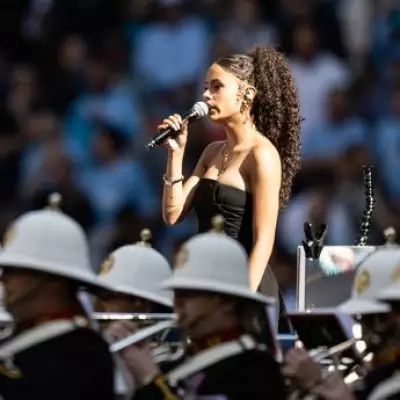
This cultural critique is compounded by recent political events. Just one week before the Super Bowl, Bad Bunny—real name Benito Antonio Martínez Ocasio—used his Grammy Awards acceptance speech to protest immigration policies, stating, "ICE Out... We are not savage. We are not animals. We are not aliens. We are humans, and we are Americans." The Puerto Rican singer, known for performing in dresses and endorsing Vice President Kamala Harris, had previously announced he would not perform on the U.S. mainland following Donald Trump's 2024 election victory over deportation concerns.
Questioning the Decision-Making Process
Carolla cast doubt on whether NFL leadership truly understood their halftime choice. "Here’s my prop bet. Roger Goodell’s never heard of Bad Bunny before," he speculated. "His exploratory committee brought it to him four months ago, right? … there’s no way Roger Goodell knew who that was." This contrasts with Commissioner Goodell's public response to Bad Bunny's Grammy statements, where he emphasised the halftime show's role to "unite people" and "bring people together."
A Broader Critique of Entertainment and Politics
The comedian extended his argument to a wider observation about cultural tribalism in entertainment programming. He found it peculiar that organisations with conservative-leaning fanbases often feel compelled to book left-wing performers, while the reverse rarely occurs. "They have their events … award shows, and Screen Actors Guild Awards, and whatever little indie thing they’ll do... but they’ll never have Foghat and Ted Nugent play," Carolla said. "They know who their audience is, you know, and they would never cross them."
Carolla suggested the NFL should prioritise its established supporters. "Football is sort of Republican, and the fans love Trump … why not just get some bands that they would like, that would not p*** off your crowd?" he questioned. This sentiment found an echo from former President Donald Trump himself, who told the New York Post he was "anti-them" regarding the halftime show choices, calling it a "terrible choice" that "sow[s] hatred."

Ultimately, Adam Carolla's critique presents the NFL's booking of Bad Bunny not merely as an entertainment decision, but as a significant brand strategy fraught with risk. It underscores a growing tension in major sports leagues between maintaining a loyal traditional base and pursuing broader demographic appeal in an increasingly polarised cultural landscape.