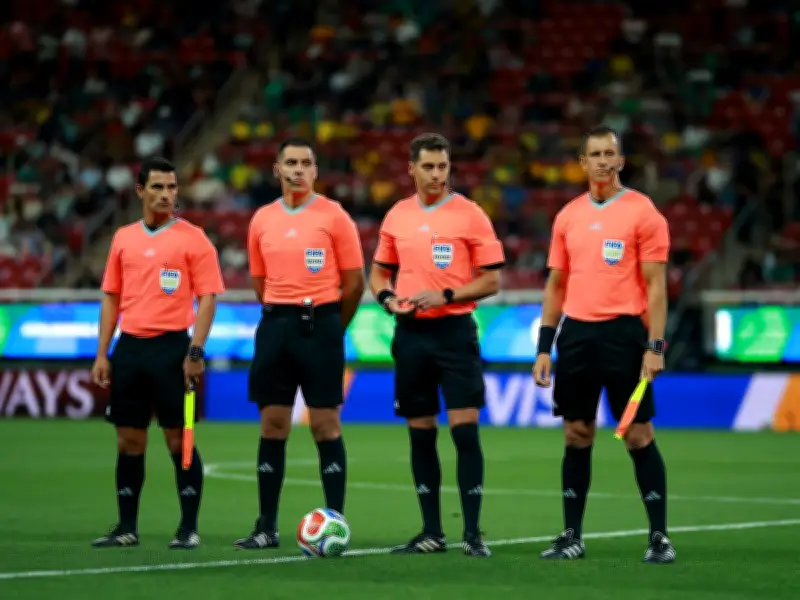
The 2026 FIFA World Cup will feature several new rules aimed at improving player safety, speeding up the game, and enhancing fairness. Here is a comprehensive guide to the changes.
Heat Breaks
To combat extreme weather conditions, mandatory three-minute hydration breaks will occur around the 22nd minute of each half. This offers managers a chance to regroup with their players. FIFA have also banned outfield players from heading to the sidelines for tactical coaching sessions when a goalkeeper goes down injured.
VAR Expanded Powers
Video assistant referees can now intervene to correct wrongly awarded corner kicks and review second yellow cards that are clearly incorrect. Additionally, micro-cameras worn by referees and high-tech ball chips tracking data points will significantly speed up offside and foul reviews.
Time-Limited Substitutions
Players being subbed off have a maximum of 10 seconds to leave the pitch at the nearest boundary line. If a player fails to exit within this window, their team must play with 10 men for at least one minute until the next official stoppage.
Five-Second Throw-In and Goal-Kick Rules
Referees will initiate a visible five-second countdown with their hands if they believe a player is intentionally stalling a restart. If the countdown expires on a throw-in, possession is returned to the opponent; an expired goal kick results in a corner kick for the other team.
Protesting Will Now Result in a Sending-Off
Those who decide to exit the field of play in protest of a refereeing decision will now be shown a red card. If a full team tries to cause an abandonment, then they will automatically forfeit the game. The same punishment will apply to team officials who encourage players to leave the pitch.
Injury Treatment Rule
Any outfield player requiring on-field medical attention from a physio must leave the pitch and wait exactly one minute before returning. Exceptions are only made for severe head injuries, collisions, or if the fouling opponent is penalised with a card.
Confrontation Restrictions
Any player who covers their mouth with a hand, arm, or jersey during an on-field confrontation will be issued a straight red card. This strict measure was implemented to assist lip-reading and prevent players from hiding discriminatory language from cameras and officials.