Winter Paralympics Athletes Voice Anger Over Scheduling Amid Rapid Snow Thaw
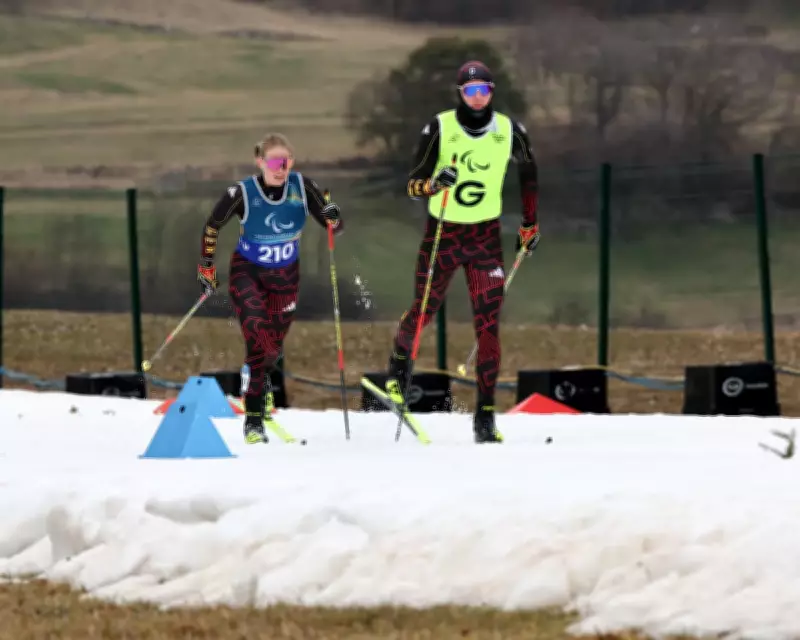
Athletes competing in the Winter Paralympics have expressed significant frustration and anger over event scheduling, as a sudden and unexpected big thaw has led to rapid snow melt, severely disrupting competitions and raising critical safety concerns. The unseasonably warm weather has caused conditions to deteriorate quickly, impacting various snow-based events and leaving participants questioning the organisers' preparedness.
Disruption to Competitions and Safety Issues
The rapid thaw has resulted in slushy and unstable snow surfaces, making it challenging for athletes to perform at their best and increasing the risk of injuries. Many competitors have reported that the scheduling did not account for potential weather fluctuations, leading to last-minute changes and cancellations that have affected training routines and competitive outcomes. This has sparked outrage among the athletic community, who feel their efforts are being undermined by poor planning.
Organisers Under Scrutiny
Event organisers are now under intense scrutiny as athletes demand better contingency plans and more flexible scheduling to adapt to weather conditions. Critics argue that the Paralympics, which showcase incredible resilience and skill, deserve the same level of meticulous planning as their Olympic counterparts. The situation has highlighted broader issues in sports management, particularly for winter events vulnerable to climate variability.

Broader Implications for Winter Sports
This incident raises important questions about the future of winter sports in an era of changing climate patterns. As global temperatures rise, events like the Paralympics may need to invest in advanced snow-making technologies or consider alternative locations to ensure consistency and fairness. Athletes are calling for proactive measures to safeguard the integrity of competitions and protect participant well-being.
In summary, the anger among Winter Paralympics athletes over scheduling amid the big thaw underscores the need for improved adaptability and foresight in sports event planning, with lessons that could resonate across the winter sports industry.