Winter Olympics 2026 Figure Skating Rules and Banned Moves Explained
Figure skating is set to be one of the first sports to commence at the 2026 Winter Olympics in Italy, with competitions scheduled from February 6 to 22. Skaters must adhere to a strict set of regulations to avoid penalties and ensure fair play.
Competition Format and Scoring System
The figure skating events are structured into a two-segment format. Initially, skaters perform a Short Program, which includes specific required elements that test technical precision. Only the top-ranked competitors from this segment advance to the Free Skate, where they have greater creative freedom to showcase their artistry and skill.
Scoring is divided into technical and artistic components. A technical panel identifies each element performed and assigns a Base Value based on its difficulty. Judges then evaluate the quality of execution through a Grade of Execution (GOE), ranging from -5 to +5, which adjusts the base score accordingly.

In addition to technical tricks, judges award points for Programme Components, which assess artistry across categories such as skating skills, transitions, musicality, performance, and overall composition. This holistic approach ensures that both athleticism and artistic expression are valued in the final scores.
Key Regulations and Requirements
Several specific rules govern figure skating performances. The Zayak Rule limits the repetition of triple or quadruple jumps; if a skater repeats a jump too many times without incorporating it into a combination, the extra attempts receive zero points. This encourages diversity in jump sequences and prevents over-reliance on a single move.
Costume requirements mandate that outfits be modest, dignified, and appropriate, with no appearance of excessive nudity. Men must wear full-length trousers, and any costume pieces that fall onto the ice result in deductions. Music regulations allow lyrics in all disciplines but require a clear rhythm or melody; failures such as music stoppages or mis-timed finishes lead to timing deductions.
Time constraints are strictly enforced, with Free Skate programmes typically limited to around four minutes. Deviations of more than 10 seconds from the allotted time trigger point deductions for every five seconds of variance, ensuring that performances remain within specified limits.
Distinctions Between Disciplines
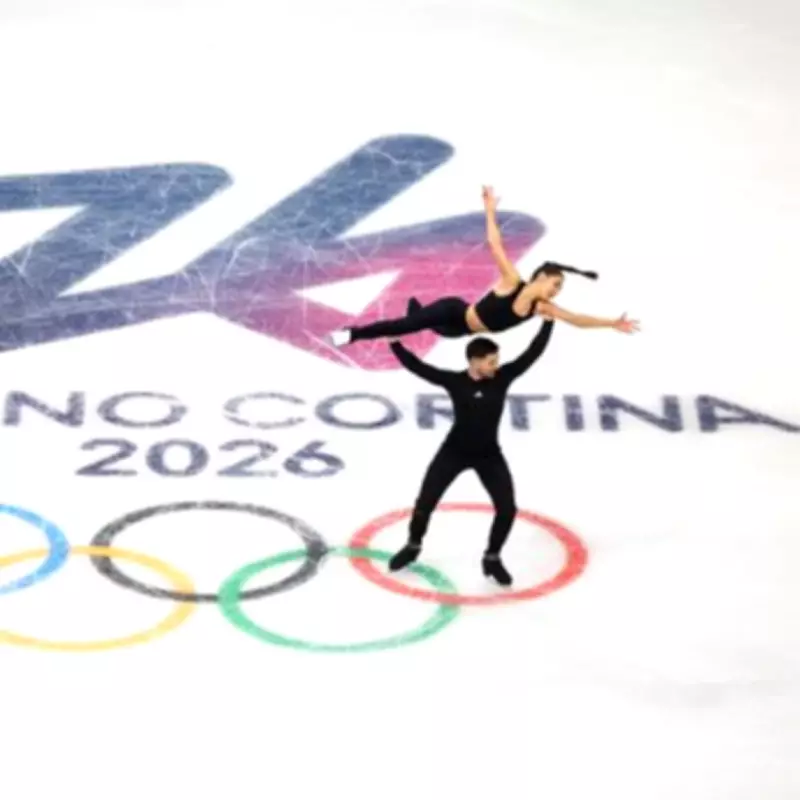
Figure skating includes distinct disciplines with unique focuses. Pairs skating emphasises high-flying lifts and death spirals, where the man pivots while holding the woman’s hand as she circles him. In contrast, Ice Dance prioritises intricate footwork and twizzles, with strictly regulated lift heights to maintain the discipline's artistic integrity.
Banned Moves and Safety Regulations
While some moves like the backflip have been legalised, the International Skating Union (ISU) prohibits actions deemed too dangerous or un-skater-like. Notable banned moves include the infamous headbanger, which involves risky head-first maneuvers.
Illegal elements in pairs and dance disciplines include lifts where a partner is held by the legs, feet, or neck, as well as jumps performed in pairs or rotational twist movements where the woman is turned completely over. Skaters cannot sit on a partner's head or stand on their shoulders during lifts, and prolonged kneeling or lying on the ice results in penalties.
In Ice Dance, specific rules apply to lifts; for instance, the male partner cannot rotate more than one and a half times while holding the woman in a lift, unless it is a designated dance lift. These regulations are designed to prioritise athlete safety and uphold the sport's traditional standards.
Fans can watch the Milano Cortina 2026 Winter Olympic Games live on discovery+ via Prime Video, with over 850 hours of coverage available through a subscription that includes access to TNT Sports 2 for continuous Olympic updates.