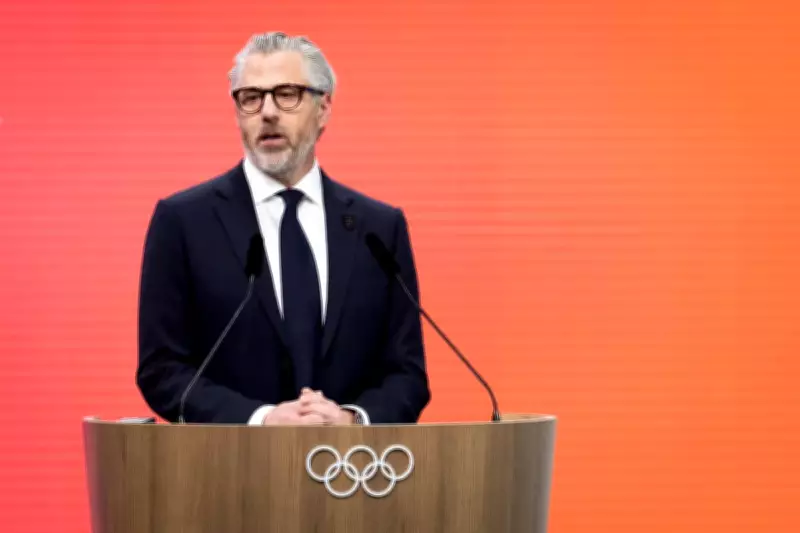
The role of Casey Wasserman, a prominent American sports executive, in the upcoming 2028 Los Angeles Olympics is facing intense scrutiny following revelations about his past connections to Ghislaine Maxwell. Wasserman, who chairs the LA28 Olympic and Paralympic Games organising committee, has been a central figure in the planning and promotion of the event, but his associations have sparked ethical concerns.
Background and Connections
Casey Wasserman, the grandson of legendary Hollywood agent Lew Wasserman, has long been a powerful player in the sports and entertainment industries. He is the founder and CEO of Wasserman Media Group, a major agency representing athletes and celebrities. In recent years, his involvement with the 2028 Olympics has positioned him as a key leader in one of the world's most high-profile sporting events.
However, reports have emerged detailing Wasserman's past ties to Ghislaine Maxwell, the convicted sex trafficker and former associate of Jeffrey Epstein. These connections, which include social interactions and professional overlaps, have raised questions about the vetting processes for individuals in prominent public roles.

Ethical Implications for the Olympics
The scrutiny comes at a critical time as Los Angeles prepares to host the Summer Olympics in 2028. The event is expected to draw global attention and significant investment, making the integrity of its leadership paramount. Critics argue that Wasserman's associations with Maxwell could tarnish the reputation of the Games and undermine public trust.
Organisers have emphasised Wasserman's contributions to the Olympic movement, including his efforts in securing the bid for Los Angeles and his work on legacy projects. Yet, the ethical concerns persist, with some calling for greater transparency and accountability in the selection of officials for major international events.
Response and Reactions
In response to the scrutiny, representatives for Wasserman have stated that he had limited and incidental contact with Maxwell, describing the connections as part of broader social circles in elite industries. They have highlighted his commitment to ethical standards and his focus on delivering a successful Olympics.
Nevertheless, the situation has prompted discussions about the broader issues of vetting and ethics in sports governance. As the 2028 Games approach, stakeholders are likely to monitor how this controversy impacts planning and public perception.
The case underscores the challenges faced by organisations in balancing expertise with ethical considerations, particularly in high-stakes environments like the Olympics.