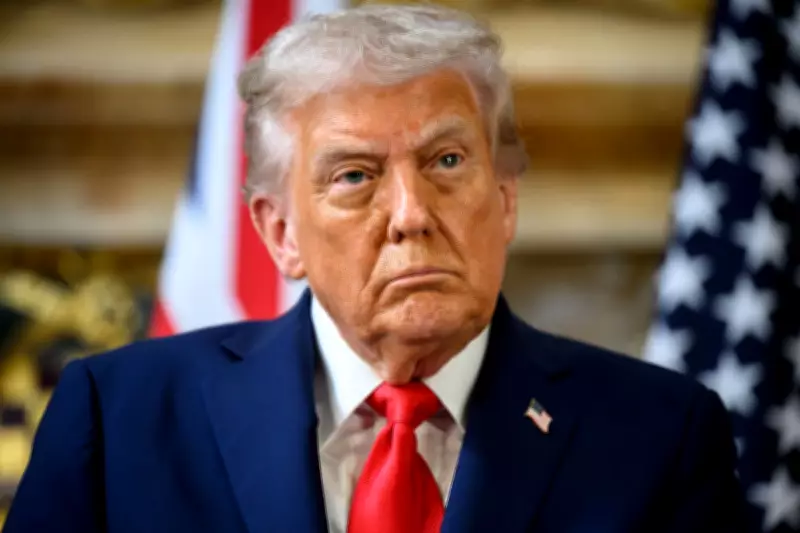
The Winter Olympics in Milano Cortina have ignited a fierce debate over political expression after former President Donald Trump criticized US freestyle skier Hunter Hess, labeling him a "real loser." This controversy stems from Hess admitting he felt conflicted about representing the United States at the Games due to domestic issues, sparking a wider discussion on whether Olympians should voice personal political views on the global stage.
Chloe Kim and Fellow Athletes Rally in Defense of Free Speech
Double Olympic snowboarding champion Chloe Kim has strongly defended athletes' rights to speak out, emphasizing that while she takes immense pride in representing the US, it is crucial for competitors to express their opinions on current events. Kim stated that athletes have a platform that can influence public discourse, and silencing them undermines the spirit of the Olympics. Her teammate, Maddie Mastro, echoed these sentiments, adding that the Games should be a space for diverse voices, not just athletic performance.
Backlash and Broader Political Tensions at the Games
The controversy has intensified with other incidents, including British-American Olympic medallist Gus Kenworthy facing backlash for an anti-ICE social media post, highlighting the challenges athletes encounter when addressing sensitive topics. Political tensions were further fueled by the presence of ICE personnel at the Olympics, following recent killings in Minneapolis, and Vice President JD Vance being booed during the opening ceremony. These events have raised questions about the intersection of sports and politics, with critics arguing that the Olympics should remain apolitical, while supporters advocate for athletes' freedom to engage in social issues.

Impact on the Olympic Spirit and Future Implications
This debate has prompted reflections on the role of athletes as public figures and the expectations placed upon them during international competitions. As the Winter Olympics continue, the discussion is likely to influence how future Games handle political expression, with potential implications for athlete endorsements, media coverage, and public perception. The ongoing controversy underscores the complex balance between national representation and individual activism in the world of elite sports.