IOC Enforces Neutrality Rules, Disqualifies Ukrainian Skeleton Athlete Over War Tribute Helmet
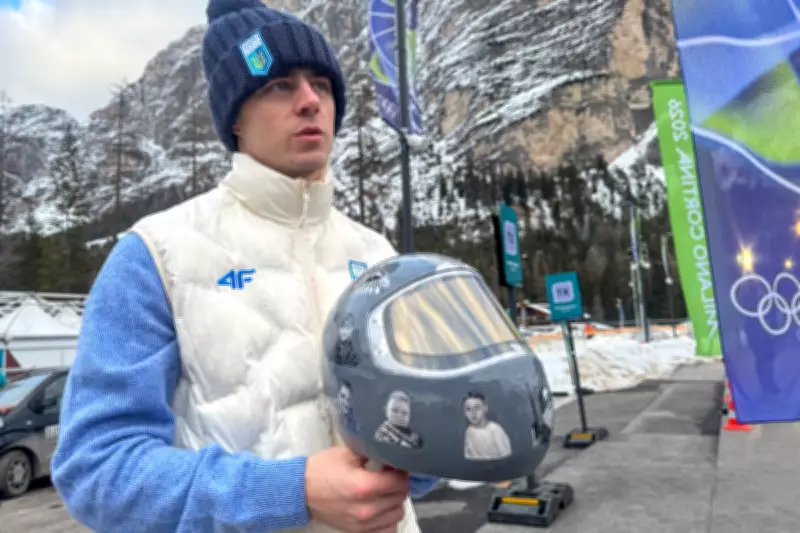
The International Olympic Committee has defended its controversial decision to disqualify Ukrainian skeleton racer Vladyslav Heraskevych from competing at the 2026 Winter Olympics in Milan-Cortina. The athlete was banned for wearing a helmet bearing images of Ukrainians killed during Russia's invasion, which the IOC deemed a violation of its strict neutrality regulations.
Rule 50.2 and the Ban on Political Messaging
IOC president Kirsty Coventry insisted the organization had no alternative but to enforce Rule 50.2 of the Olympic Charter, which explicitly prohibits "any kind of demonstration or political, religious or racial propaganda" within Olympic venues. The rules, developed by the IOC Athletes' Commission, cover a comprehensive range of potential protests including political messages on equipment, armbands, and gestures of political nature.
"We're not making a judgement on whether the message is political or not political," Coventry explained. "It's any messaging, any form of messaging that is banned during competition. That's how the athletes themselves decided back in 2020-2021 that we should not allow any messaging on the field of play, on the podium, or in the Olympic village."

Failed Negotiations and Emotional Confrontations
The IOC spent two days attempting to persuade Heraskevych not to wear the helmet during competition. They proposed a compromise allowing him to wear a black armband instead, but the 27-year-old athlete remained steadfast in his commitment. Coventry personally intervened in what she described as an "emotional morning" of discussions with Heraskevych and his father at the competition venue.
IOC spokesperson Mark Adams clarified the organization's position: "He can, and we would encourage him, to express his grief, but let me be clear. It's not the message, it's the place that counts. There are 130 conflicts going on in the world. We cannot have 130 different conflicts featured, however terrible they are, during the actual competition."
Heraskevych's Defiant Stance and Criticism of IOC
Speaking before his disqualification, Heraskevych had declared he would not compromise, stating it was "the helmet or nothing." He explained his position with emotional conviction: "I will not betray these athletes. These athletes sacrificed their lives, and because of this sacrifice, I am able to be here. An Olympic medal would be huge - it's been my childhood dream. But in this time of full-scale war, some things are really more important than medals."
Following his disqualification, Heraskevych criticized the IOC's decision, arguing it played into Russian propaganda narratives. He revealed he had proposed an alternative solution: "I believe I did a great proposal for them this morning when I proposed to allow me to use this helmet and also show solidarity with Ukraine by providing generators for Ukraine. I believe it's a great way to show solidarity and remove all this scandal."
The Ukrainian athlete also expressed concern about the broader impact of the controversy: "Because of IOC actions, that Olympic moment was stolen not only from me but also from others at this venue. All the media are here covering this scandal instead of watching the race, and I believe it's a terrible mistake made by the IOC."
The Broader Context of Olympic Neutrality
The incident highlights the ongoing tension between athlete expression and Olympic neutrality principles. While the IOC maintains that athletes can express themselves freely in designated areas like press conferences and mixed zones, the "field of play" remains strictly neutral territory. This policy, developed with athlete input following controversies in previous Olympic cycles, continues to generate debate about where the line should be drawn between personal expression and sporting neutrality in an increasingly politicized world.