Ukrainian Skeleton Athlete Awaits Olympic Ruling on Helmet Honouring Fallen Competitors
Ukrainian skeleton racer Vladyslav Heraskevych has arrived at the Milan Cortina Winter Olympics with a deeply personal tribute, hoping to honour his fellow athletes who lost their lives in the ongoing conflict with Russia. The medal hopeful, who placed fourth at last year's world championships, is seeking approval from the International Olympic Committee to wear a custom helmet during competition this week.
A Helmet Bearing Faces of Fallen Heroes
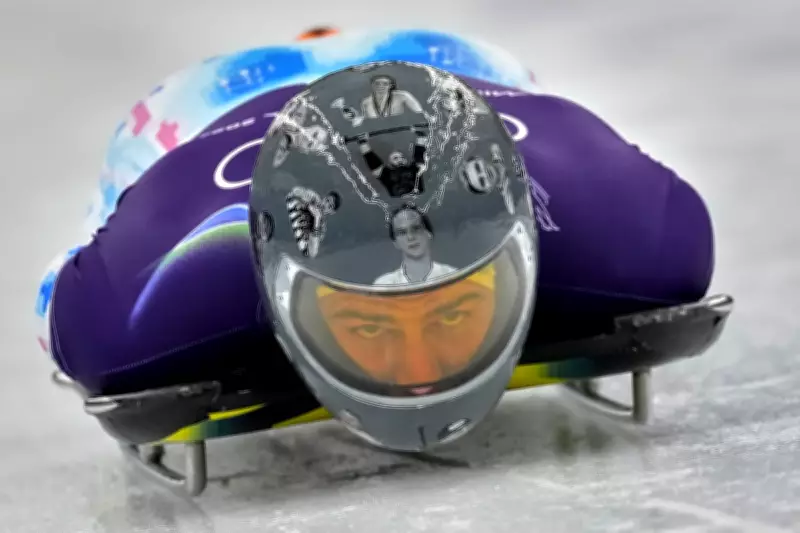
The helmet features images of approximately half a dozen Ukrainian athletes, all killed in Russian attacks since the invasion began in 2022. Among those memorialised are figure skater Dmytro Sharpar, a former Youth Olympic Games teammate of Heraskevych, boxer Pavlo Ishchenko, hockey player Oleksiy Loginov, and several others. Some perished on the front lines, while at least one died while attempting to distribute humanitarian aid to fellow Ukrainians.
"I didn't know all of them," Heraskevych told The Associated Press. "But I knew a lot of them." The athlete completed his first day of official training on Monday wearing the helmet, pending a final decision from the IOC regarding its use in actual races.

Navigating Olympic Rules and Political Statements
Heraskevych's request comes amid ongoing scrutiny of political expressions at the Games. The skeleton racer has previously made headlines for his outspoken stance on the war; at the 2022 Beijing Olympics, he displayed a sign reading "No War in Ukraine" after his final run. While that action potentially conflicted with Rule 50 of the Olympic Charter—which prohibits political, religious, or racial propaganda in Olympic venues—the IOC ultimately deemed it "a general call for peace" and imposed no sanctions.
Now, Heraskevych argues that his helmet tribute should be similarly permitted. "We didn't violate any rules, and it should be allowed for me to compete with this helmet," he stated. "I cannot understand how this helmet hurt anyone. It's to pay tribute to athletes and some of them were medalists in the Youth Olympic Games. That means they're Olympic family. They were part of this Olympic family, so I cannot understand they would find a reason why not."
A Symbol of Sacrifice and Solidarity
Heraskevych, who served as a flag bearer for Ukraine during last week's opening ceremony, emphasises that the helmet is more than a personal memorial. "For me, it will be very important to pay tribute to these athletes," he explained. "We have to show also the huge price of Ukraine's freedom." His stance reflects a broader tension within the Olympic movement, balancing the ideals of neutrality with athletes' desires to acknowledge real-world tragedies affecting their communities.
The IOC has not yet issued a public response to The Associated Press regarding the helmet request. Heraskevych's case highlights the complex intersection of sport, remembrance, and international politics, as the world watches whether Olympic authorities will allow this poignant tribute on one of sport's biggest stages.