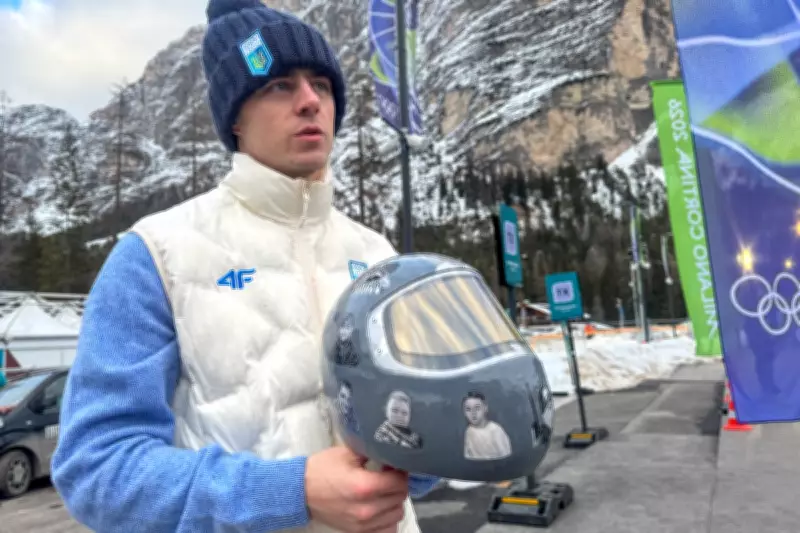
Ukrainian skeleton athlete Vladyslav Heraskevych has been disqualified from competing in the Winter Olympics heats after wearing a helmet featuring images of Ukrainian athletes killed during the war with Russia. The International Olympic Committee (IOC) ruled that the helmet violated Rule 50.2 of the Olympic Charter, which strictly prohibits political demonstrations at the Games.
Defiance in the Face of Disqualification
Heraskevych had previously rejected a compromise offered by the IOC, which suggested he wear a black armband instead of the contentious helmet. The athlete stood firm, vowing not to "betray" his fallen compatriots and asserting that their memory was far more important than any Olympic medal. His stance highlights the deep emotional and political tensions surrounding the ongoing conflict.
IOC's Stance on Political Neutrality
The IOC's decision underscores its commitment to maintaining political neutrality in Olympic events, as outlined in Rule 50.2. This rule aims to keep the focus on athletic competition rather than geopolitical issues. However, Heraskevych's case has sparked debate over the balance between personal tributes and Olympic regulations, especially in contexts of war and national tragedy.

Broader Implications for Athlete Activism
This incident raises questions about the limits of athlete activism at international sporting events. While the IOC has historically enforced rules against political demonstrations, recent years have seen increased calls for allowing athletes to express solidarity with causes. Heraskevych's disqualification may influence future discussions on amending such policies to accommodate sensitive tributes without compromising the spirit of the Games.
As the Winter Olympics continue, Heraskevych's defiant act serves as a poignant reminder of the human cost of conflict, challenging the boundaries between sport and politics on the global stage.