Ukrainian Skeleton Athlete Condemns Olympic Disqualification Over War Victim Helmet
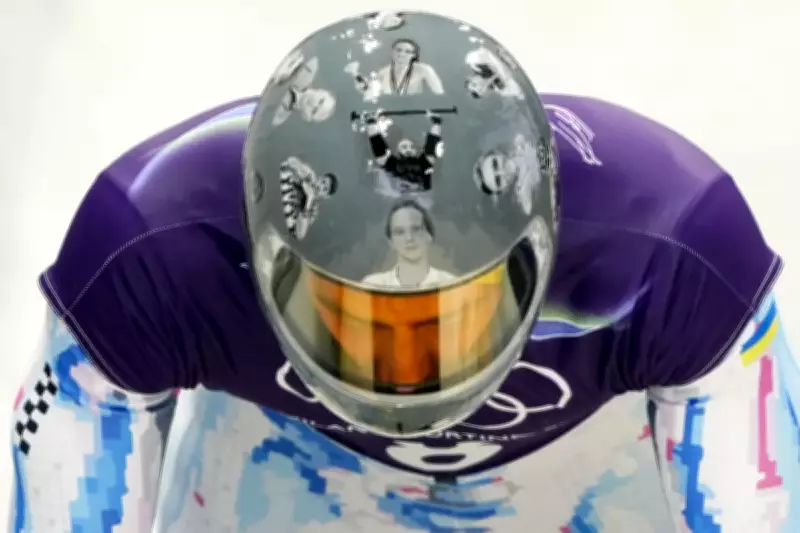
Ukrainian skeleton racer Vladyslav Heraskevych has branded his disqualification from the Winter Olympics a "terrible mistake" by the International Olympic Committee (IOC), arguing it plays into Russian propaganda. The athlete was barred from competing just over an hour before his event began on Thursday morning, with the IOC ruling that his helmet, which displayed pictures of people killed in the war with Russia, violated regulations prohibiting statements on the field of play.
Last-Minute Meeting Fails to Resolve Dispute
Despite a personal meeting between Heraskevych and IOC president Kirsty Coventry at the Cortina Sliding Centre prior to the competition, no agreement was reached. Coventry was reportedly tearful as she left the discussions, but Heraskevych remained steadfast, insisting the rules had been misinterpreted. He stated, "I believe that we should be controlled by the rules and I believe that we didn't violate it." The athlete also expressed gratitude for Coventry's kind words during their encounter but emphasised that the situation unfairly benefits Russian narratives.
Heraskevych's Compromise Proposal Rejected
In a bid to resolve the controversy, Heraskevych proposed a compromise to the IOC: allowing him to use the helmet while also demonstrating solidarity with Ukraine by donating generators to the war-torn nation. He argued this would have been a "great way" to show support and diffuse the scandal. "I believe because of IOC actions, that Olympic moment was stolen not only for me, but also from others from this venue," he lamented, noting that media attention had shifted away from the race itself due to the dispute.

IOC Defends Decision Amid Emotional Backlash
IOC spokesman Mark Adams revealed that the organisation had "begged" Heraskevych to reconsider his position, suggesting alternatives like a black armband. However, the slider refused, pointing to perceived inconsistencies in how Rule 50, which governs athlete expression, has been applied to other cases during the Games. Coventry described the morning as "emotional" but stressed the decision was not political, citing the Athletes' Commission's stance against any messaging on the field of play. She clarified, "We're not making a judgement on whether the message is political or not political... It's any messaging, any form of messaging."
Broader Implications for Olympic Neutrality
Heraskevych's disqualification has sparked debate over the IOC's handling of sensitive geopolitical issues in sports. The athlete highlighted that news of his ban was "treated very well in Russia," underscoring his belief that the move inadvertently supports propaganda efforts. As the controversy unfolds, it raises questions about the balance between Olympic neutrality and athlete expression in times of conflict, with Heraskevych's case becoming a focal point for discussions on solidarity and rule enforcement in international competitions.