American athletes are steeling themselves for what could be a distinctly chilly reception at the Milan-Cortina Winter Olympics, as domestic political turmoil surrounding federal immigration enforcement spills across international borders. The planned involvement of US Immigration and Customs Enforcement personnel with the American delegation has ignited significant protests in host nation Italy, casting a shadow over the Games before competition has even begun.
Political Unrest Crosses the Atlantic
The controversy stems from the Trump administration's immigration policies and recent enforcement actions that have drawn global criticism. This discontent has crystallised around the Winter Olympics, where ICE's supporting role for Team USA has become a flashpoint for Italian activists. Hundreds of protestors have already demonstrated in Milan against ICE involvement, with a hard-left trade union planning coordinated "ICE OUT" protests during Friday's opening ceremony.
The situation intensified following the fatal shooting of two US citizens, Renee Good and Alex Pretti, by ICE agents in Minneapolis last weekend. This incident triggered widespread protests across America and amplified existing international concerns about US immigration enforcement methods.

Athletes Navigate Complex Political Landscape
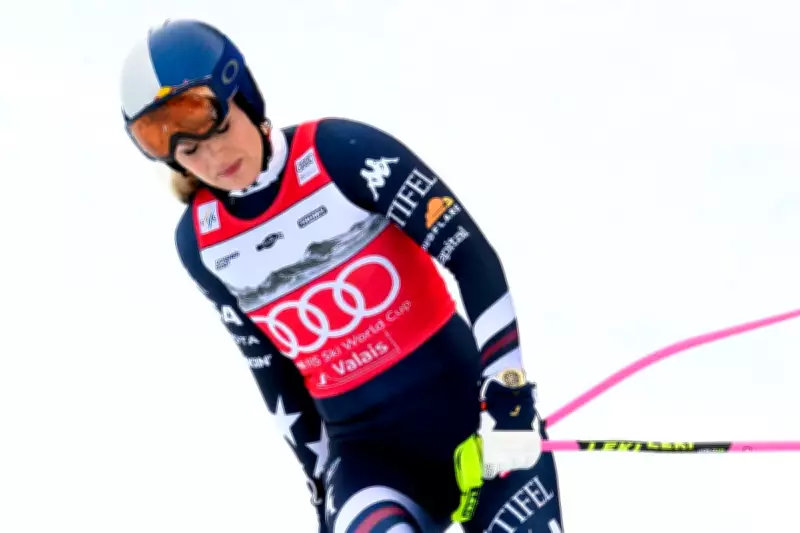
Alpine skiing legend Lindsey Vonn, who has personal connections to Minnesota where the shootings occurred, addressed the difficult position facing American competitors. "My heart is incredibly heavy," Vonn told reporters, acknowledging the complex backdrop against which athletes must perform. "I realise the magnitude of the position that I'm in right now. And I think the best thing I can do is to do exactly what I said. Stand tall and have hope."
The Olympic icon emphasised her commitment to representing American values beyond current political controversies. "Show the world what America is, who we are as people. Because we are more than what's happening right now. I always do my best to make our country proud. And I hope I can do that in these Games."
Preparing for Difficult Questions
US ski and snowboard athletes have received specific media training to help them navigate the politically charged environment, according to Sophie Goldschmidt, President and CEO of the sport's national governing body. "The image abroad is complex right now," Goldschmidt explained to Reuters. "We know they can sometimes get put in difficult situations and we just want them to be prepared for that."
This preparation reflects recognition that American competitors may face uncomfortable questions about their nation's policies while trying to focus on athletic performance. The sensitivity extends to logistical details, with US officials reportedly changing the name of a shared hospitality space from "Ice House" to "Winter House" ahead of the Games.
Athletes Emphasise Olympic Values
Cross-country skier Jessie Diggins, a gold medallist from Pyeongchang 2018, framed her participation in terms of fundamental American values. In an Instagram post, Diggins wrote that she was racing for "an American people who stand for love, for acceptance, for compassion, honesty and respect for others." The athlete, who earned individual medals in Beijing, added: "For everyone out there caring for others, protecting their neighbours and meeting people with love - every single step is for you."
Freestyle skier Tess Johnson similarly emphasised the core principles of the Olympic movement. "I am a huge proponent of what the Olympic and Paralympic movement stands for, which is connection, respect, unity, love, compassion," Johnson stated. "I think actions and conversations around those words are very meaningful."
Historical Context and Current Reality
The situation presents a stark contrast to America's traditional Olympic narrative. The United States has delivered some of the Games' most memorable moments, including the legendary "Miracle on Ice" hockey victory over the Soviet Union in 1980. Remarkably, forty-five years later, those same players stood alongside former President Donald Trump as he signed legislation awarding them congressional medals.

Trump, who has faced vocal criticism at major sporting events including the Super Bowl and US Open tennis, will not attend the Milan Games. Instead, Vice President JD Vance will represent the administration. Italian officials have attempted to downplay the controversy, with the interior minister dismissing concerns about ICE's presence as baseless and confirming agents would not conduct policing on Italian streets.
Yet for American athletes like hockey player Megan Keller, competing in her third Games, the focus remains on sporting unity. "The powerful thing about sport in the Olympics is it's everybody uniting together," Keller told reporters. "It's an honour for us to represent not only our country but our family, our friends." As Team USA prepares for competition, their performance will unfold against a backdrop of political tension that has transformed the Winter Olympics into an unexpected arena for international diplomatic friction.