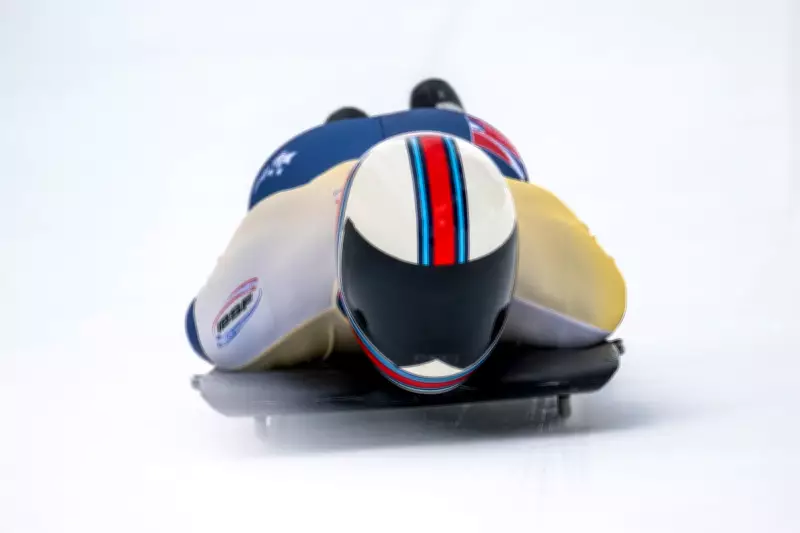
Team GB has initiated a critical legal challenge to overturn a ban on a new helmet design for skeleton athletes, just days before the Winter Olympics are set to commence. British officials have lodged an urgent appeal with the Court of Arbitration for Sport (CAS) after the International Bobsleigh and Skeleton Federation (IBSF) ruled last week that the innovative helmet does not comply with competition regulations due to its shape.
Safety Claims and Regulatory Dispute
The British Bobsleigh and Skeleton Association (BBSA), which funded the design and manufacture of the helmet, strongly contests the IBSF's decision. The association asserts that the helmet meets rigorous safety standards and is, in fact, safer than other equipment currently approved for competition. In their appeal, the BBSA has requested that CAS declare the helmet legal for use in Olympic events.
Immediate Hearing Scheduled
CAS's ad-hoc Olympic division confirmed on Wednesday that it would hear this high-stakes case on Thursday. The timing is particularly crucial, as the skeleton competition is scheduled to begin on 12 February. This rapid legal proceeding underscores the urgency of the matter for Team GB, whose medal prospects could be significantly impacted by the outcome.

Medal Hopes and Olympic Tradition
Britain boasts a strong Olympic tradition in skeleton, having secured three gold medals in the women's event. Team GB is hoping to add to this tally at this year's Games in Italy, with double world champion Matt Weston considered a gold medal favourite in the men's event. Weston is joined on the start line by fellow Brit Marcus Wyatt, another medal prospect who won two World Cup races this season and finished third in the overall standings.
Recent Achievements and Squad Strength
Wyatt also claimed the European title in 2024 and came second behind Weston in last year's World Championships. Team GB has assembled one of its strongest squads ever for these Games, setting an ambitious medal target of four to eight. This aim represents a determined effort to bounce back from a disappointing performance at the 2022 Olympics in Beijing, where the team earned just two medals, both in curling.
Historical Context and Future Ambitions
Britain's best-ever Winter Olympics performance saw the team claim five medals at the Sochi Games in 2014 and again at the 2018 Games in Pyeongchang. The current appeal over the helmet ban is therefore not merely a technical dispute but a pivotal moment that could influence Team GB's ability to match or exceed these historical achievements. The outcome will be closely watched by athletes, officials, and fans alike as the Winter Olympics approach.