Speed Skating at the 2026 Winter Olympics: The Ultimate Guide
The 2026 Winter Olympics in Milano Cortina will feature thrilling speed skating events that showcase some of the fastest human-powered athletic performances on the planet. With races scheduled from February 6 to 22, spectators can expect breathtaking displays of speed, strategy, and skill across various disciplines.
Two Distinct Speed Skating Disciplines
Olympic speed skating is divided into two primary categories: Long Track and Short Track. These disciplines differ significantly in rink size and racing style. Long Track events take place on a 400-metre oval, similar to a standard running track, allowing for sustained high-speed laps. In contrast, Short Track competitions occur on a much smaller 111-metre circuit within a standard hockey rink, creating intense, tactical races with tight turns and close-quarters action.
Incredible Speeds and Athletic Demands
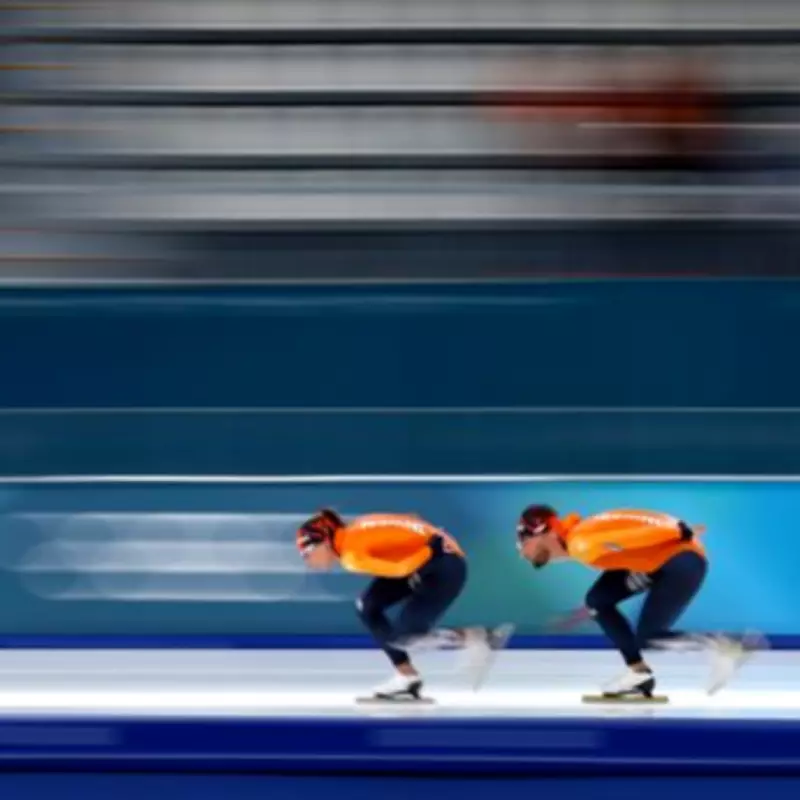
Athletes in speed skating reach astonishing velocities, often peaking at over 60 kilometres per hour (37 miles per hour) on straight sections. This makes speed skating the fastest unassisted human-powered sport globally, requiring a unique blend of explosive power, exceptional endurance, and precise aerodynamic technique. The physical demands are immense, with skaters pushing their bodies to the absolute limit in pursuit of Olympic glory.

Race Formats and Competition Styles
In Long Track speed skating, competitors typically race in pairs, with each skater striving to set the fastest overall time against the clock. This format emphasises individual performance and consistency. Conversely, Short Track events feature skaters competing in "packs" of four to six athletes, where the first person to cross the finish line wins the heat. This pack racing introduces elements of strategy, positioning, and sometimes dramatic overtakes.
Specialised Equipment and Technology
Long Track athletes utilise innovative "clap skates," where the blade is hinged at the toe and detaches from the heel. This design allows the blade to maintain contact with the ice longer during each stride, maximising power transfer and efficiency. Short Track skaters, meanwhile, often wear reinforced gloves with plastic fingertips, enabling them to touch the ice for balance while navigating extreme turns that generate G-forces comparable to a space shuttle launch.
Aerodynamic Advancements and Racing Strategy
Skaters wear custom-molded, skin-tight Lycra suits with hoods, meticulously designed to minimise wind resistance. These suits often include friction-reducing strips to shave critical fractions of a second off race times. Strategic elements are crucial: in Long Track individual races, skaters must switch lanes on the back straightaway each lap to ensure equal distance coverage. In Mass Start and Short Track events, athletes employ drafting techniques, following closely behind opponents to conserve energy for a decisive final sprint.
Olympic Events and Programme Details
The Olympic speed skating programme encompasses a wide range of distances, from the explosive 500-metre sprint to the gruelling 10,000-metre endurance test. Additional events include team pursuit races, where squads of skaters work together, and "mass start" competitions, where multiple athletes compete simultaneously in high-stakes tactical battles. Fans can watch over 850 hours of live coverage on discovery+ via Prime Video throughout the games, with the £3.99 discovery+ Entertainment subscription providing access to TNT Sports 2 for continuous Olympic action.
Speed skating at the Winter Olympics represents a pinnacle of athletic achievement, combining raw speed with technical precision and strategic intelligence. As the 2026 Games approach, anticipation builds for what promises to be another spectacular showcase of this fastest human-powered sport.