Russia and Belarus Reintegrated into Winter Paralympics Despite European Outcry
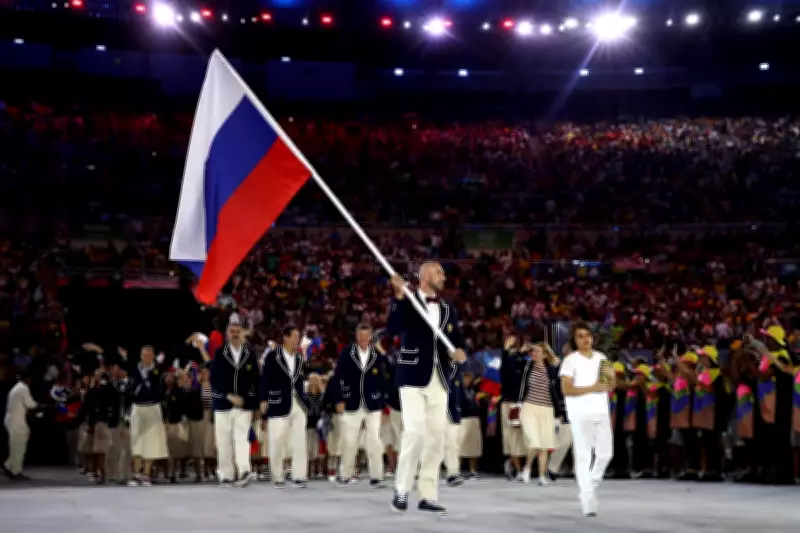
In a controversial move that has ignited fierce debate across the continent, the International Paralympic Committee (IPC) has welcomed Russia and Belarus back to the Winter Paralympics. Ten athletes—six from Russia and four from Belarus—will parade under their national flags during Friday's opening ceremony in Verona, marking their most overt return to international sport since the 2016 doping scandal.
European Boycott and Ukrainian Absence
This decision has prompted a significant boycott from European nations. Ukraine, along with Finland, Estonia, Latvia, Lithuania, Poland, Germany, and Czechia, will not participate in the opening ceremony. Jarringly, the Ukrainian flag will be absent from the parade of nations, with the country's president, Volodymyr Zelensky, condemning the reintegration as "awful." Estonian broadcasters have vowed not to show any Russian athletes competing, reflecting widespread anger.
Criticism has been loud and sustained. Ukrainian Sports Minister Matvii Bidnyi labeled the IPC's move "outrageous," while the campaign group Global Athlete accused sporting bodies of enabling Putin's war by welcoming Russia back. Italian officials have expressed unhappiness that their Games in Milan-Cortina may be tainted by this geopolitical controversy.

IPC's Rationale and Historical Context
The IPC defended its decision, stating there is no longer clear evidence that Russia is using sport to promote its war. However, this view is contentious given Vladimir Putin's long history of leveraging sports for political legitimacy. During the 2008 Olympics, Russia invaded Georgia, and it annexed Crimea during its own 2014 Winter Games in Sochi—actions that starkly contradict the Olympic Truce.
Russia has consistently employed sport as a tool for soft power, hosting the 2018 FIFA World Cup despite ongoing conflicts. Notably, the backlash to Russia's doping scandal was arguably more severe than reactions to much of Putin's warmongering. Now, with Russia's return to the Paralympic stage, the symbolic weight of the five rings may be interpreted by Putin as an endorsement of Russia's broader international acceptance.
Broader Geopolitical Realities in Sport
The tension surrounding Russia's reintegration highlights a wider geopolitical divide. While Europe remains furious over Russia's invasion of Ukraine, this sentiment is not universally shared. In a pivotal International Olympic Committee (IOC) meeting after the invasion, president Thomas Bach's proposal to ban Russia faced opposition, with one member questioning why Britain wasn't sanctioned for invading Iraq.
Over the past year, Russia has slowly crept back into the sporting fold. The Judo Federation reinstated Russia last year, and FIFA president Gianni Infantino has indicated football is moving in a similar direction. The IPC, influenced by its global membership, reflects this fragmented perspective, where many nations do not align with European outrage.
Future Implications and IOC's Stance
The Paralympics may not be the last to ease Russia back into international sport. Although the IOC has maintained a firmer position, requiring Russian athletes to compete under a neutral flag at recent Winter Olympics, hints from president Kirsty Coventry suggest a fully fledged return could occur at the 2028 Summer Games in Los Angeles.
Coventry, who won the presidency on an athlete-first platform, aims to refocus the IOC on organizing Olympic sport rather than acting as a diplomatic arbiter. This stance responds to the world's increasing complexity, where conflicts from the Middle East to Sudan challenge sporting bodies to impose consistent sanctions. However, detangling politics from sport remains an elusive goal, as evidenced by incidents like Ukrainian skeleton racer Vladyslav Heraskevych refusing to give up his war-protest helmet during the Winter Olympics.
Upcoming Challenges and Political Tensions
The upcoming Paralympics face inevitable distractions, with stories likely to overshadow the sport itself. For the first time in a decade, Russia is back at a major sporting event, and this reintegration may signal the start of a broader trend. The IOC may find it easier to include Russia than to continue playing judge and jury in global conflicts.

Adding to the political edge, the 2028 Games in Los Angeles present their own challenges. With the U.S. involved in geopolitical maneuvers and Donald Trump looming as a potential political figure, IOC sources indicate Coventry dreads the impending political dance. Unlike FIFA's Infantino, who has been seen engaging with Trump, Coventry is unlikely to take a similar approach, ensuring tension remains high.
As the Winter Paralympics unfold, the return of Russia and Belarus will undoubtedly spark flashpoints, reminding the world that sport and politics are inextricably linked. This moment marks a pivotal chapter in international athletics, with ramifications that could shape the future of global sporting events.