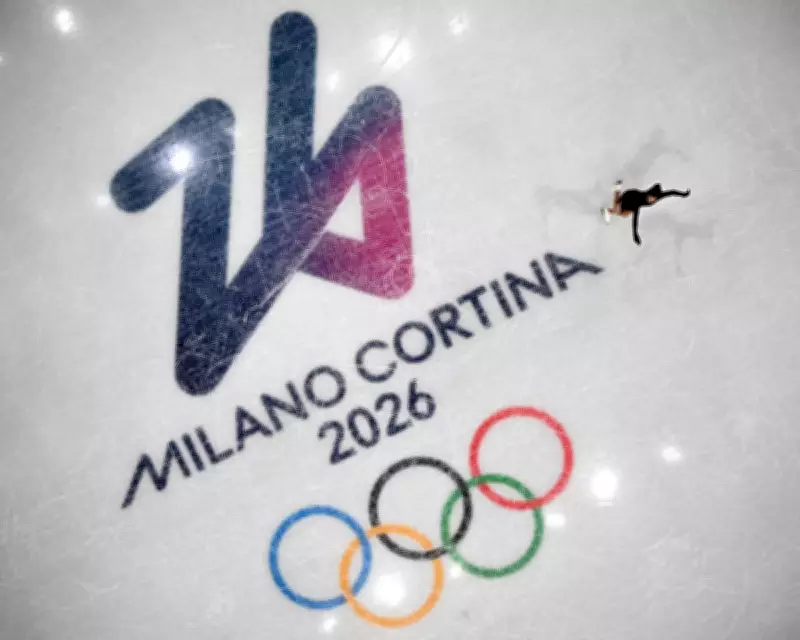
The 2026 Winter Olympics, scheduled to be held in Milano Cortina, Italy, are encountering significant hurdles as escalating global political tensions and a resurgence of cold war dynamics create an atmosphere of uncertainty and potential disruption. This prestigious international sporting event, traditionally a symbol of unity and peaceful competition, now finds itself at the mercy of geopolitical chaos that could impact everything from athlete participation to security protocols.
A New Era of Geopolitical Instability
In recent years, the world has witnessed a marked increase in political fragmentation and diplomatic standoffs, often described as a new cold war. This environment is characterised by heightened rivalries between major powers, regional conflicts, and economic sanctions that spill over into all aspects of international relations, including sports. The Milano Cortina Olympics, set to showcase winter sports excellence, are not immune to these broader trends, with organisers and stakeholders expressing growing apprehension.
Security and Logistical Concerns
The potential for political unrest or targeted incidents during the Games has prompted Italian authorities and the International Olympic Committee to reassess security measures. Enhanced protocols are being considered to safeguard athletes, officials, and spectators from threats that may arise from the volatile global landscape. Additionally, logistical challenges, such as travel restrictions or visa issues for participants from certain nations, could complicate the smooth running of the event, affecting team compositions and scheduling.

Impact on International Participation
One of the core principles of the Olympic movement is the inclusion of athletes from around the world, regardless of political differences. However, the current climate of political chaos raises questions about whether all nations will be able or willing to send delegations. Diplomatic boycotts or withdrawals, driven by geopolitical disputes, could diminish the diversity and spirit of the Games, undermining their role as a platform for global camaraderie and sportsmanship.
Historical Context and Future Implications
Historically, the Olympics have often been influenced by political events, from boycotts during the Cold War era to protests in more recent times. The 2026 Milano Cortina Games risk becoming another chapter in this narrative if current trends persist. Looking ahead, the situation underscores the need for robust contingency planning and diplomatic efforts to insulate major sporting events from political turmoil, ensuring they remain focused on athletic achievement and international cooperation.
As preparations continue, stakeholders are calling for increased dialogue and collaboration to mitigate risks. The hope is that the Olympic spirit can prevail, offering a beacon of unity in a divided world, but the path forward remains fraught with challenges that require careful navigation and proactive measures.