North Korea Hosts National Winter Games After Missing Milan Cortina Olympics
North Korea has officially commenced its national winter games in Samjiyon, a significant event that follows the nation's failure to qualify for the upcoming Milan Cortina Winter Olympics in 2026. This development highlights the country's continued isolation from major international sporting competitions, despite its historical participation in past Olympic events.
Historical Context and Diplomatic Thaw
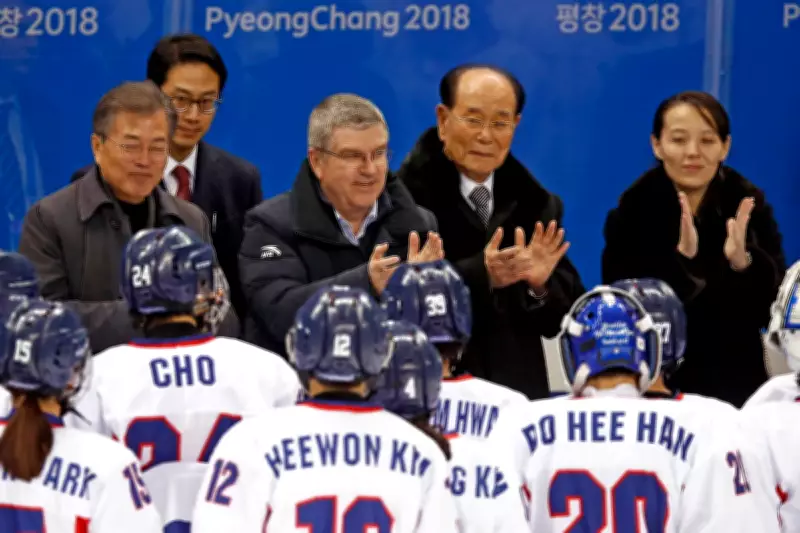
The nation last participated in the Winter Olympics during the PyeongChang 2018 Games, where the event served as a rare diplomatic thaw with South Korea. This period marked a brief opening in North Korea's typically reclusive stance, allowing for limited international engagement through sports. However, this momentum was short-lived due to subsequent global challenges and internal policies.
Impact of Pandemic and IOC Suspension
Pyonghad previously imposed strict limits on overseas sports participation throughout the COVID-19 pandemic, further isolating its athletes from international competitions. Additionally, North Korea faced suspension from the International Olympic Committee until late 2022, which severely hampered its ability to compete on the global stage. These factors collectively contributed to the current situation where the country is hosting its own national games instead of participating in the Olympics.

Qualification Failures and Past Successes
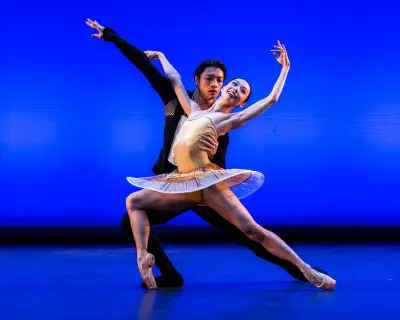
Despite past successes in speed skating, North Korea's top pairs figure skating duo failed to secure qualification for the 2026 Winter Olympics. This setback underscores the challenges faced by North Korean athletes in meeting international standards and qualifying for elite competitions. The national games in Samjiyon now provide an alternative platform for these athletes to showcase their skills domestically.
Future Prospects and Asian Games Consideration
Japan is reportedly considering North Korea's participation in the 2026 Asian Games, despite existing sanctions, following the reclusive nation's expressed interest in sending a delegation. This potential inclusion could offer a pathway for North Korea to re-engage with international sports, though it remains contingent on diplomatic and regulatory approvals. The outcome of these discussions will be closely watched by the global sporting community.
In summary, North Korea's decision to hold its own national winter games reflects broader issues of isolation and qualification failures, while future opportunities like the Asian Games may provide avenues for renewed international participation.