Norovirus Outbreak Poses Major Threat to 2026 Winter Olympics in Milan-Cortina
The 2026 Milan-Cortina Winter Olympics are facing a significant health crisis as a norovirus outbreak has already impacted several teams, underscoring the persistent dangers this highly contagious virus presents at large-scale international gatherings. Norovirus outbreaks are a recurring concern at events like the Olympic Games, where thousands of athletes, staff, and spectators converge, creating ideal conditions for rapid transmission.
Understanding the Norovirus Threat
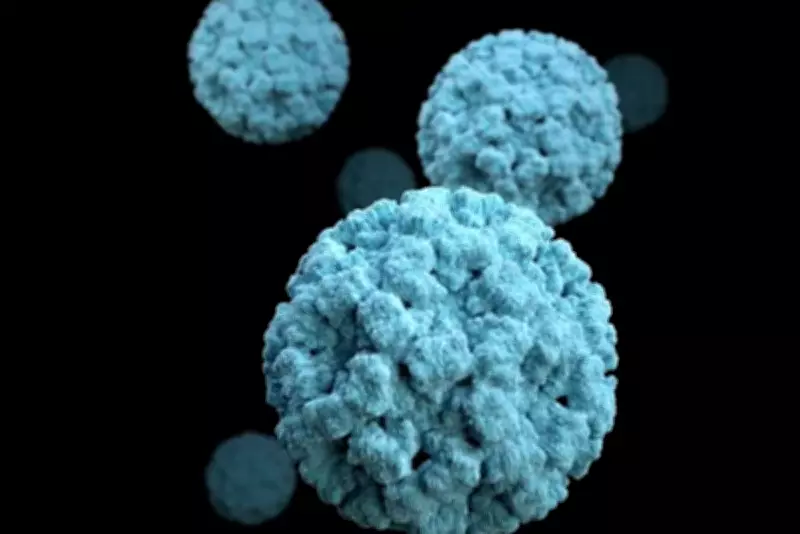
Norovirus is notoriously resilient and highly contagious, requiring only a very low infectious dose to spread. This enables it to propagate quickly through shared facilities, close contact, and contaminated surfaces. Symptoms typically manifest suddenly and include vomiting, diarrhoea, nausea, and stomach cramps, lasting from 24 to 72 hours. Alarmingly, individuals can spread the virus even before symptoms appear, complicating containment efforts.
Challenges in Containing the Outbreak
Containing norovirus at an event as vast as the Olympics is exceptionally challenging. It demands extensive sanitation protocols, rapid testing capabilities, and strict isolation measures. The current outbreak has already led to postponed games and team quarantines, illustrating the potential for severe disruption to competitions and schedules. Effective management requires coordinated action from health officials, event organizers, and participating nations to implement robust hygiene practices and monitor symptoms proactively.

Strategies for Mitigation and Prevention
To curb the spread, experts emphasize the importance of:
- Enhanced Sanitation: Regular disinfection of high-touch areas and facilities.
- Rapid Response Teams: Deploying medical personnel for immediate testing and isolation.
- Public Awareness: Educating attendees on symptoms and preventive measures.
- Strict Isolation Protocols: Quarantining affected individuals to prevent further transmission.
These measures are critical not only for the current Games but also as a blueprint for future events to mitigate similar health risks.