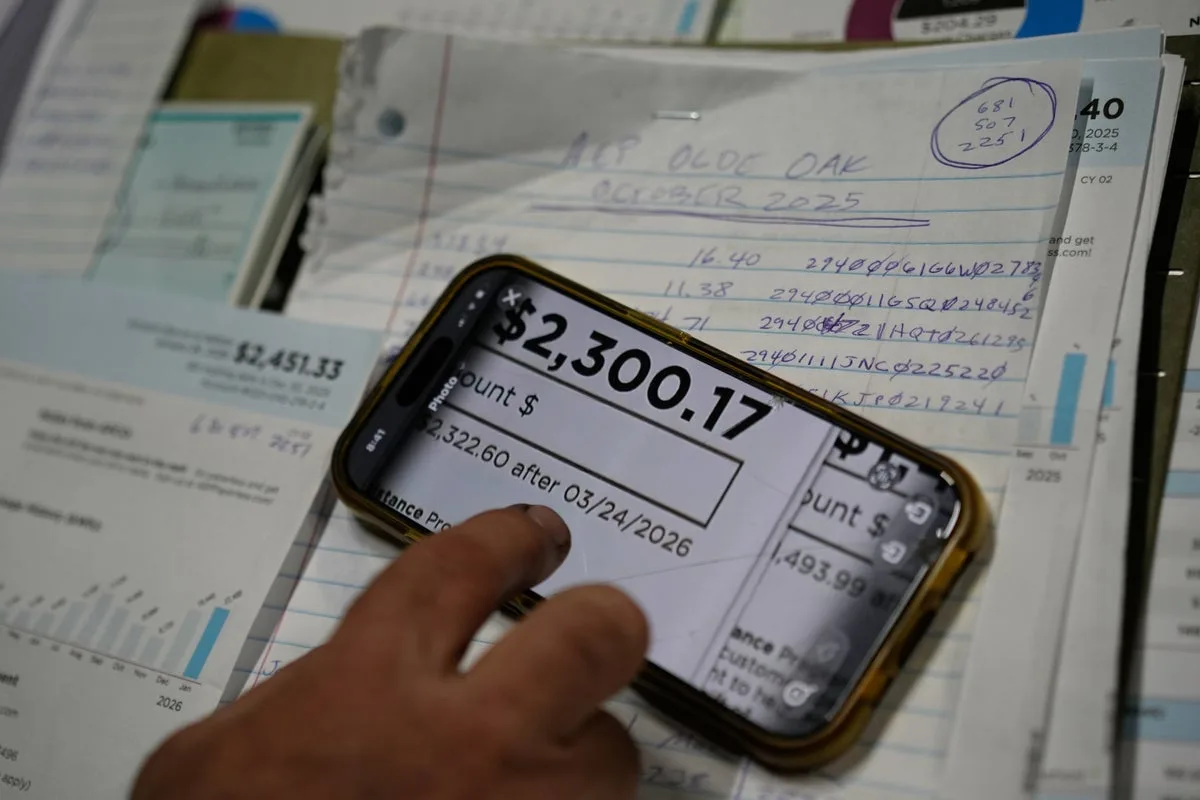
At least six US states are taking action against utility companies as electricity bills rise, with officials citing excessive profits amid the artificial intelligence boom. Arizona, Indiana, Maryland, New Jersey, New York, and Pennsylvania are among those challenging rate increases and pushing for changes in how utilities finance infrastructure upgrades.
Arizona Attorney General Kris Mayes, a Democrat seeking re-election, is contesting two rate hike requests before the state’s utility regulatory board. “I felt like it’s never been more important to stand up against the blatant corporate greed of our monopoly utilities in Arizona,” Mayes said.
The surge in energy demand from AI data centres has driven up electricity prices and boosted utility profits. A March report from the Energy and Policy Institute found that profits at 110 for-profit utilities rose from under $39 billion in 2021 to over $52 billion in 2024. Consumer advocate Mark Ellis estimates that about 10% of a typical customer bill represents “excess profit” beyond what is reasonable.
Utilities defend their returns as necessary for maintaining grid reliability and attracting investment. They warn that lower returns could drive investors to other states. However, critics argue that the current system unfairly burdens households. “We’ve entered into this era of expensive energy and growth, and we’re seeing utility profits at record highs and rising utility bills,” said Matt Kasper of the Energy and Policy Institute.
Analysts note that affordability is now a top concern for utility executives. Travis Miller of Morningstar said, “If rates aren’t affordable currently, there’s no way that utilities can get the rate increases they need to boost earnings.” The debate comes in a midterm election year where affordability is a key theme for Democrats.