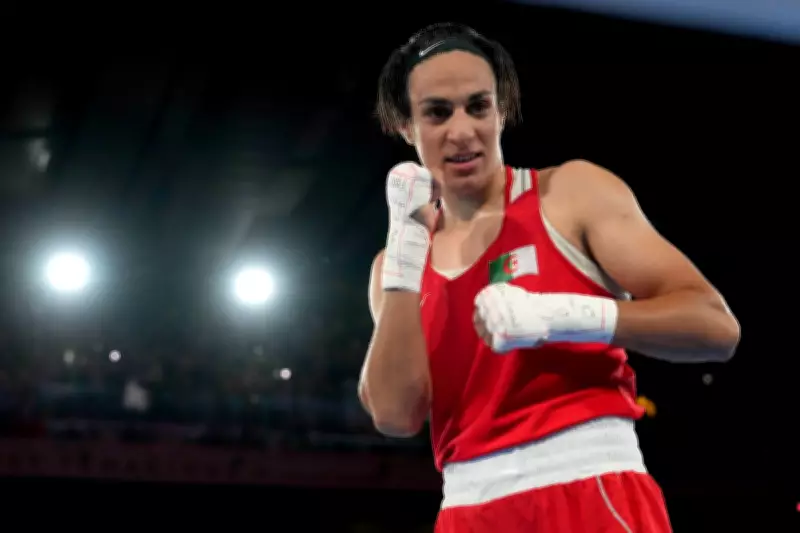
Olympic champion Imane Khelif has declared her willingness to submit to genetic sex testing in order to defend her title at the 2028 Los Angeles Olympics, but with a crucial stipulation regarding which governing body oversees the process.
Conditional Compliance with Mandatory Testing
The Algerian boxer, who triumphed in the women's welterweight division at the Paris 2024 Games, stated she would comply with the necessary tests and procedures only if they are administered by the International Olympic Committee (IOC). This position comes amidst a complex backdrop of regulatory requirements and previous disputes over her eligibility.
World Boxing's Mandatory Testing Policy
The requirement for genetic testing originates from World Boxing, the organisation provisionally recognised by the IOC to oversee boxing at the LA 2028 Olympics. Last May, World Boxing announced that mandatory sex testing would be implemented for all competitors at the upcoming Games, a policy that has directly impacted Khelif's participation.

Khelif's relationship with boxing's governing bodies has been contentious. She was previously disqualified from the 2023 World Championships by the International Boxing Association (IBA) following sex chromosome tests, which ignited a significant gender dispute regarding her eligibility to compete in women's boxing.
Ongoing Legal Challenge and Personal Statement
Despite agreeing in principle to testing, Khelif has appealed World Boxing's ban to the Court of Arbitration for Sport (CAS), indicating that her compliance is conditional rather than unconditional. In a powerful personal statement addressing the situation, Khelif asserted her identity clearly, stating: "I am a woman and not transgender. I want to live my life. Please do not exploit me in your political agendas."
This declaration underscores the personal dimension of what has become a highly politicised issue within international sports governance. Khelif's stance represents a nuanced position: while prepared to undergo testing to compete, she seeks to ensure the process is conducted under what she perceives as the most legitimate sporting authority.
Implications for Olympic Boxing
The situation highlights several critical issues facing Olympic boxing:
- The transition of governance from IBA to World Boxing and the implementation of new policies
- The ethical and practical challenges of genetic testing in women's sports
- The balance between regulatory compliance and athletes' personal rights and identities
- The role of the IOC as an ultimate arbiter in disputed eligibility cases
As the 2028 Los Angeles Olympics approach, Khelif's case will likely serve as a significant precedent for how similar situations are handled in future international competitions. Her conditional agreement to testing, contingent on IOC oversight, creates a potential pathway for resolution while maintaining her competitive ambitions and personal dignity.