Freestyle Skiing Rules for the 2026 Winter Olympics Explained
Freestyle skiing is set to commence at the 2026 Winter Olympics in Milano Cortina, with action getting underway from February 6 to 22. Here is a detailed rundown of the six different disciplines that will take centre stage, ensuring fans understand the rules and scoring systems.
Moguls: Navigating Bumps and Jumps
Athletes in moguls navigate a steep, bumpy course while performing two jumps at designated air sites. Judges award points based on a specific breakdown: 60% for turns, 20% for air quality, and 20% for speed. This discipline emphasises technical skill and control over challenging terrain.
Aerials: High-Flying Flips and Twists
In aerials, skiers launch off massive vertical kickers to perform complex flips and twists in the air. Scoring focuses on three key elements: the take-off, the form during flight, and the stability of the landing. Precision and aerial acrobatics are crucial for high scores.

Ski Cross: Racing to the Finish Line
Ski cross is the only freestyle event decided by a finish line rather than a panel of judges. Four skiers race simultaneously down a course filled with banks and rollers, with the top two advancing to the next round. This discipline combines speed, strategy, and head-to-head competition.
Slopestyle: Creativity on Rails and Jumps
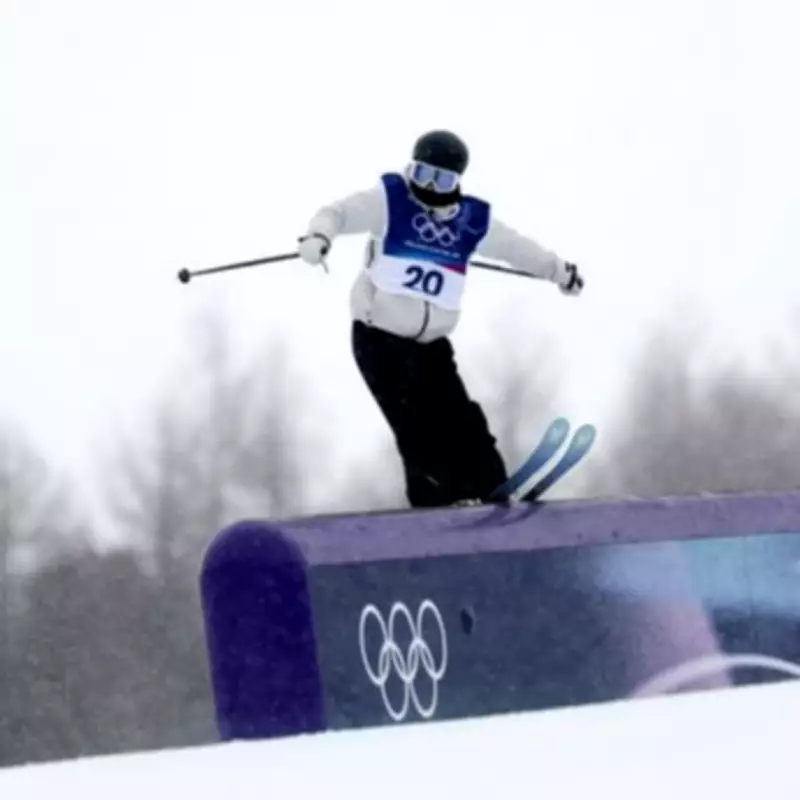
Competitors in slopestyle navigate a downhill course featuring a mix of rails, boxes, and large jumps. Judges look for progression, amplitude, and variety, rewarding those who use the features in creative ways. Innovation and style play a significant role in scoring.
Halfpipe: Momentum and Aerial Tricks
Skiers in halfpipe move back and forth between two high semi-circular walls to gain momentum for aerial tricks. Points are awarded based on the height reached above the pipe and the technical difficulty of the grabs and rotations. This event showcases fluidity and technical prowess.
Big Air: High-Stakes Single Tricks
In big air, athletes perform a single, massive trick off a large jump to showcase their most difficult maneuvers. Each skier usually gets three runs, with their two best scores combined to determine the final ranking. This discipline highlights risk-taking and execution under pressure.
Technical Deductions and Equipment Regulations
Across all judged events, breaks in form—such as touching the snow with hands or crossing skis—result in point penalties. Landings are particularly scrutinised, as a stomp demonstrates total control compared to a shaky finish. Additionally, athletes must use specific gear tailored to their discipline, such as shorter skis for moguls or twin-tips for slopestyle. Safety is strictly mandated, requiring all competitors to wear helmets and often back protectors.
Fans can watch the Winter Olympics 2026 live on discovery+, with more than 850 hours of action available via Prime Video. The discovery+ Entertainment subscription provides access to TNT Sports 2 for 24/7 Olympic coverage throughout the games.