Curling Stones' Lights Explained: Tech Behind Winter Olympics Sport
Curling Stones Lights: Winter Olympics Tech Explained

Great Britain enters the Winter Olympics 2026 in Milano-Cortina with soaring expectations on the ice, particularly in the sport of curling. Following a remarkable performance at Beijing 2022, where Team GB secured a gold and a silver in both the women's and men's tournaments, the bar is set high for British athletes in Italy. The campaign begins with the mixed doubles pair, featuring Bruce Mouat and Jen Dodds, who will be in action early in the competition.

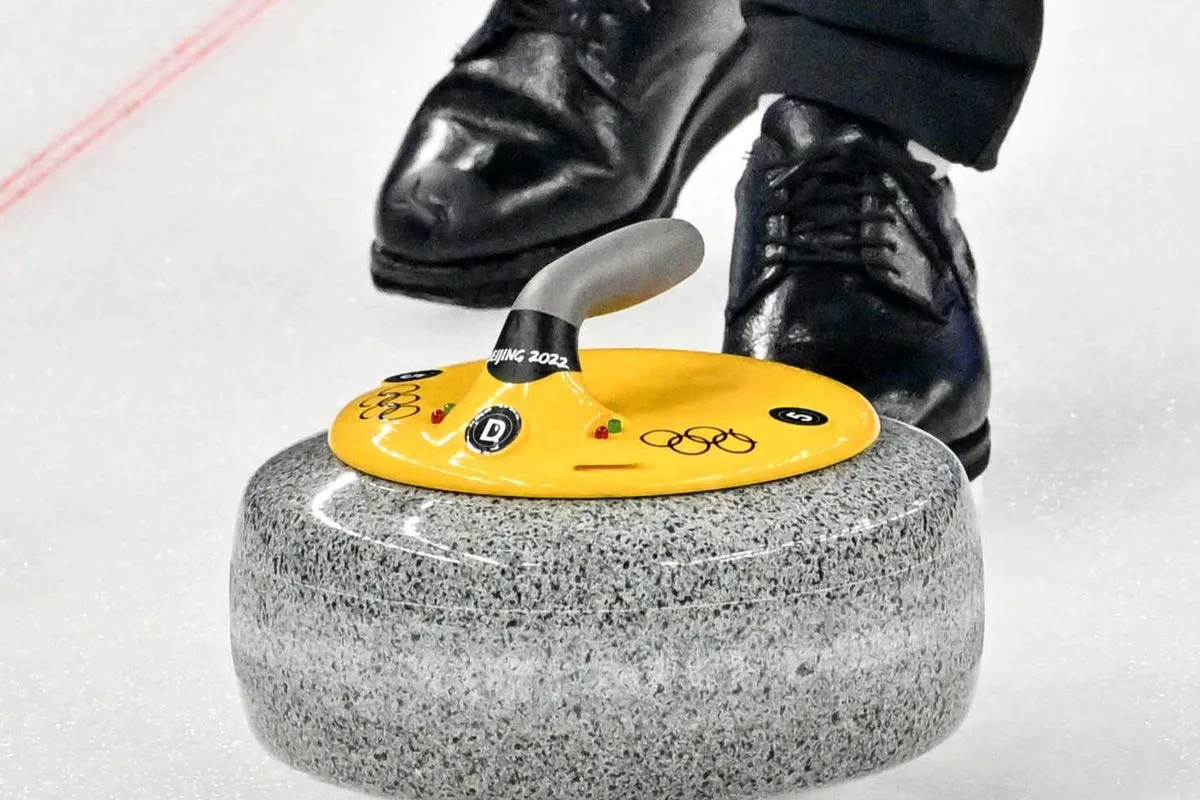
What Are the Lights on Curling Stones?

The lights visible on top of curling stones serve a critical function as part of a sophisticated tracking system. This technology ensures that athletes release the stone before crossing the first hog line, which is the red line located at both ends of the ice. According to official rules, players must let go of the stone before it passes this line to maintain fair play.

A heat sensor is embedded into the ice surface, designed to detect if a competitor's hand remains on the handle beyond the hog line. Each stone is equipped with batteries to power these sensors, enabling real-time monitoring. If a player fails to release the stone in time, the lights will turn red, signalling a violation. In such cases, the team is required to remove the stone from play immediately.

While infractions are rare at the elite level, the intense pressure of the Winter Olympics can occasionally lead to mistakes, making this system essential for upholding the integrity of the game. This innovation adds a layer of precision to curling, a sport that has long captivated British fans with its unique blend of strategy and skill.

Curling Stone Specifications and Composition

Curling stones are subject to strict regulations regarding their weight and dimensions. As per the official USA Curling rulebook, each stone must weigh no more than 44 pounds (19.96 kilograms) and no less than 38 pounds (17.24 kilograms), with the handle included in this measurement. In terms of size, the circumference cannot exceed 36 inches (91.4 centimetres), and the height must not surpass 4.5 inches (11.43 centimetres).

These stones are crafted from a special type of granite, sourced exclusively from the island of Ailsa Craig in Scotland. This material is prized for its durability and consistent performance on the ice, contributing to the sport's tradition and quality.

The Importance of the Hammer in Curling

The hammer, also known as Last Stone Advantage, is a pivotal element in curling strategy. The team that possesses the hammer has the opportunity to throw the final stone of each end, which typically provides a significant tactical edge. This advantage allows them to respond to the current scoring situation after all other stones have been delivered.

In championship curling, the hammer is determined through a process called the Last Stone Draw (LSD). Two players from each team deliver a stone as close as possible to the centre of the house, with one thrown clockwise and the other counter-clockwise. The distance from each stone to the centre is measured, and the team with the closest stone earns the hammer for the first end.

Scoring rules further influence strategy: if neither team scores in an end, the hammer is retained by the same team. Additionally, a team that does not score during an end will receive the hammer in the next round. This dynamic sometimes leads teams to avoid scoring a single point, opting instead to retain the hammer for a potential larger score in the subsequent end.

Player Roles and Mixed Doubles Format

In the men's and women's events, the final two stones of each end are typically thrown by the skip, who acts as the de facto captain of the rink. The skip is responsible for shaping the team's strategy and must execute shots calmly under pressure, making their role crucial to success.

The mixed doubles format introduces a different structure, with each team playing five stones per end. In this variation, the same team member throws the first and last stones, while their teammate handles the middle three stones. Teams begin every end with one stone pre-placed per team, allowing for the possibility of scoring up to six points in a single end, adding an extra layer of excitement and complexity to the game.

As Team GB prepares for Milano-Cortina, understanding these technical and strategic aspects of curling enhances appreciation for the sport. With high hopes and a strong foundation from past performances, British fans eagerly anticipate another thrilling chapter on the ice.