Cross-country skiing stands as one of the most unforgiving and physically demanding sports featured at the Winter Olympic Games. This ultimate test of a skier's endurance requires immense stamina, technical precision, and strategic prowess across varied terrains and distances.
Historical Legacy and Nordic Roots
Cross-country skiing boasts a rich Olympic heritage, being one of the original sports contested at the inaugural 1924 Chamonix Games. However, it was not until 1952 that women's events were formally added to the programme. The sport belongs to the broader "Nordic" skiing family, which also includes biathlon, ski jumping, and Nordic combined disciplines.
Dual Technique Styles
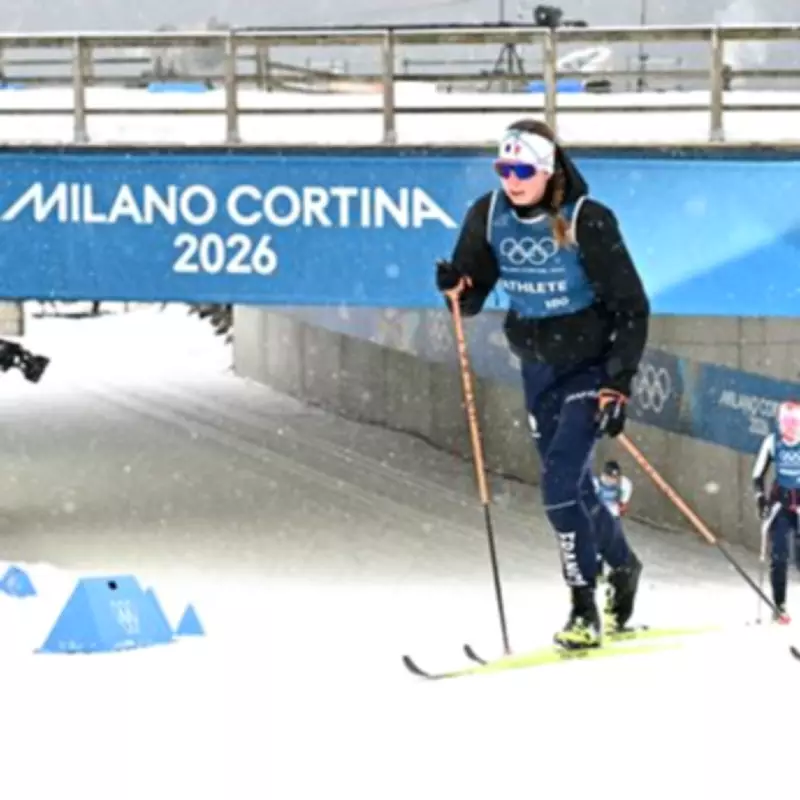
Athletes compete using two distinct and specialised techniques. The Classical style employs a straight-ahead "diagonal stride" motion within precisely groomed tracks on the snow. In contrast, the Freestyle technique utilises a dynamic side-to-side "skating" movement that allows for greater speed. Most Olympic events are designated exclusively for one style or the other, and using the incorrect technique during a race can result in immediate disqualification.

Olympic Event Variety and Programme Evolution
The current Olympic programme features a total of twelve events, with six competitions each for men and women. These range from explosive short sprints to the monumental 50-kilometre "marathon" distance. A significant milestone will be reached at the 2026 Milano Cortina Games, where, for the first time, men and women will compete over identical distances in every single event on the schedule, marking a major step towards gender parity in the sport.
Sprint Formats and Endurance Challenges
Individual sprint events are high-intensity knockout races conducted on courses typically shorter than one mile. They commence with a qualifying time trial to narrow the field to the top thirty skiers. Competitors then progress through a series of head-to-head heats in quarter-finals and semi-finals, culminating in a final race featuring the last six athletes standing.
The endurance events represent the pinnacle of stamina in winter sports. The gruelling 50-kilometre Mass Start and the demanding 20-kilometre Skiathlon can take several hours to complete. The Skiathlon presents a unique dual-technique challenge: racers ski the first half of the race using the classical style before entering a designated transition area to swiftly exchange equipment and complete the second half employing the freestyle technique.
Race Start Procedures
Races begin using one of two primary methods. An Interval Start sees skiers depart individually at thirty-second intervals, racing primarily against the clock to achieve the fastest net time. Alternatively, a Mass Start involves the entire field commencing simultaneously, with victory awarded simply to the first athlete to cross the finish line.
Specialised Equipment and Dominant Nations
Cross-country skiing equipment is highly specialised. The skis are notably lighter and narrower than those used in downhill skiing, featuring bindings that attach only at the toe to permit free heel lift. In classical races, skiers apply specific "kick wax" to the middle section of their skis to provide essential grip for climbing hills. Freestyle skis, however, are waxed entirely for maximum glide across the snow.
Norway reigns as the undisputed powerhouse of cross-country skiing, holding the record for the most Olympic medals in the sport and producing legendary champions like Marit Bjørgen and Bjørn Dæhlie. Other nations with formidable traditions include Sweden, Finland, and Italy, all of which consistently field strong teams capable of challenging for podium positions at the highest level.
The Milano Cortina 2026 Winter Olympic Games, scheduled from February 6th to 22nd, will showcase this brutal endurance sport to a global audience. Fans can access extensive live coverage, with more than 850 hours of action available on platforms like discovery+.