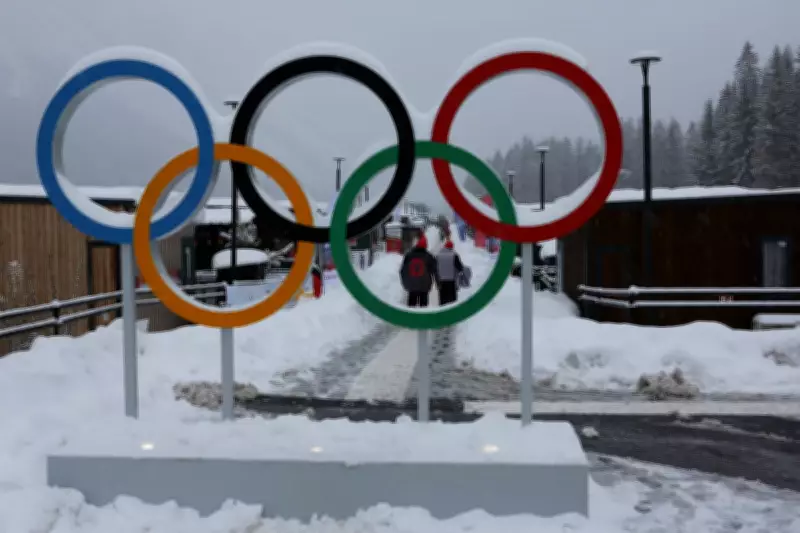
Nestled within the breathtaking Dolomites, the Cortina Olympic Village provides a picturesque and functional temporary home for hundreds of athletes participating in the 2026 Milan Cortina Winter Games. As snow gently blankets the Alpine valley, competitors from around the globe are immersing themselves in a unique communal experience, blending rigorous training with moments of camaraderie and cultural exchange.
A Temporary Alpine Home for 1,400 Competitors
The village, situated just a ten-minute drive from downtown Cortina, accommodates approximately 1,400 athletes, coaches, and team members across 377 trailers. This setup offers a stark contrast to the other main Olympic Village located in Milan, emphasising the intimate, mountain-focused atmosphere of the Cortina site. Each trailer is thoughtfully divided into two rooms, with capacity for up to two individuals per room, featuring essential amenities such as beds, showers, and toilets.
Notably, half of these trailers are designed to be wheelchair-accessible, ensuring inclusivity for the Paralympics scheduled for March. This attention to detail underscores the organisers' commitment to providing a comfortable and equitable environment for all participants, regardless of their physical abilities.

Personalising Spaces and Fostering Team Spirit
Athletes have enthusiastically decorated the exteriors of their mobile homes with national flags, banners, and other personal touches to showcase team pride and create a sense of familiarity. For instance, Team Canada has placed a distinctive red moose statue in front of their lodgings, a playful marker of their territory. The village manager, Eva Lune Wiggelendum, highlighted the stunning natural backdrop, noting that on clear days, competitors can immediately view the nearby ski centre upon stepping outside.
"We are in a valley, so we are surrounded by mountains," Wiggelendum explained. "This is amazing. As you look outside, it’s snowing. So we’re really creating a Winter Olympics atmosphere here." This immersive setting not only enhances the competitive spirit but also offers a serene escape, with many athletes expressing awe at waking up to such majestic scenery daily.
Overcoming Initial Concerns with Comfort and Community
Initial apprehensions about living in trailers, particularly regarding adequate heating and plumbing, have been largely alleviated. Australian skeleton competitor Nick Timmings, who shares a room with his coach and twin brother, reported that the accommodations are warm and fully functional. "A lot of people were worried beforehand about being in trailers—is there going to be adequate heating and plumbing, and all those kind of things. But we've come here and they're warm. The plumbing seems to be working fine," Timmings remarked. "I’m very comfortable."
This sentiment is echoed by American curler Cory Thiesse, who described the village as a "fun environment" where athletes live, train, and eat together. "We're living all together, training together, eating together. We’re literally at the base of the mountains here. It’s just kind of a dream to wake up in the morning and see the mountains like that," Thiesse shared, encapsulating the collective enthusiasm among residents.
Facilities and Social Hubs Enhancing the Experience
The village is equipped with comprehensive facilities to support athletes' physical and mental well-being, including a fitness centre, recreational spaces, a lounge, dining hall, massage rooms, and a prayer room. These amenities foster a holistic environment where competitors can relax and connect. Ukrainian luger Nazarii Kachmar, for example, enjoys visiting common areas to interact with peers from nations such as Canada, Romania, the United States, and Latvia, enriching his Olympic journey through international friendships.
An outdoor coffee stand has emerged as a popular social hotspot, where athletes gather over cappuccinos and espressos. Here, traditions like trading unique national team pins thrive, as demonstrated by Trinidad and Tobago bobsledder De Aundre John, who exchanged pins with American bobsledders. John expressed profound gratitude for realising his lifelong Olympic dream, with the added perk of savouring Italian cuisine, particularly the lasagna.

Culinary Delights and Shared Moments
The dining hall serves as another focal point for community bonding, with Swedish curling coach Alison Kreviazuk praising the desserts, especially the cannoli. Such culinary highlights complement the athletic focus, offering moments of indulgence and cultural appreciation. Cortina itself hosts several key events, including curling, women’s Alpine skiing, bobsled, luge, and skeleton, making the village a central hub for these disciplines.
As snow continues to fall, enveloping the village in a winter wonderland, the atmosphere remains charged with anticipation and unity. Athletes like John reflect on the significance of their presence, viewing it as the culmination of years of dedication. With its blend of natural beauty, functional design, and vibrant social dynamics, the Cortina Olympic Village stands as a testament to the spirit of the Winter Games, providing a memorable and supportive base for the world's top winter sports competitors.