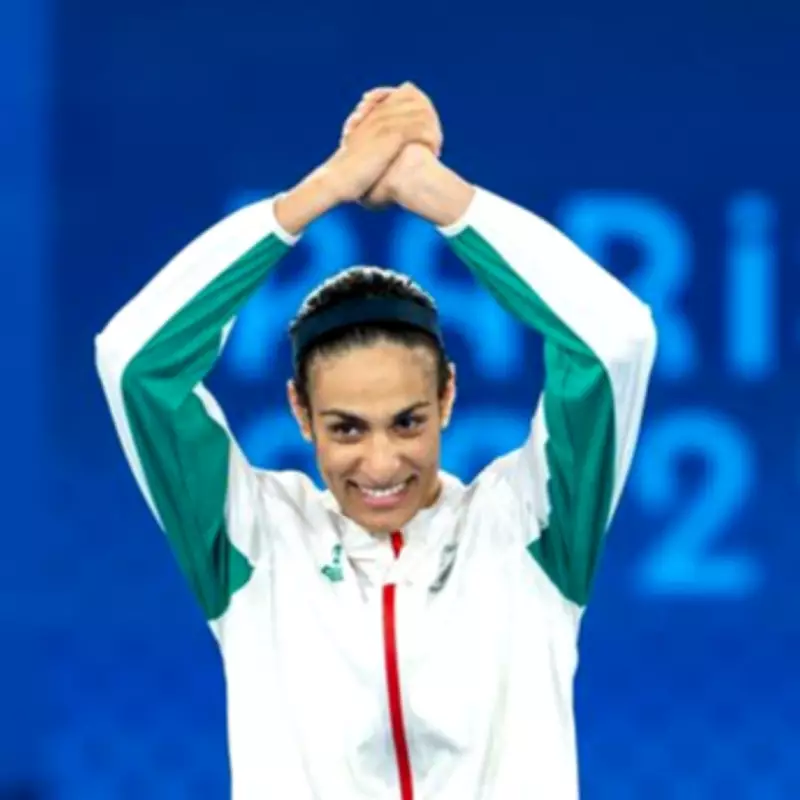
Algerian boxer Imane Khelif, who secured a gold medal at the Paris 2024 Olympics amidst significant controversy, has spoken out about her hormone treatment and her determined plans to compete in the 2028 games in Los Angeles. The 26-year-old athlete has vowed to undergo all necessary testing to ensure her participation, addressing ongoing debates about gender in sports.
Khelif's Response to Gender Row and Testing Commitments
Imane Khelif has publicly admitted to undergoing hormone treatment to lower her testosterone levels before her gold medal victory in Paris. In an interview with French outlet L’Equipe, she stated, "I have female hormones. People don’t know it, but I took hormone treatments to lower my testosterone levels for competitions." She emphasised that she is under medical supervision, with a professor following her progress, and noted that for the qualifying tournament in Dakar, she reduced her testosterone level to zero, which contributed to her success.
With World Boxing introducing sex testing protocols, Khelif has proactively promised to comply with all relevant assessments. "For the next Games, if I have to take a test, I will do it. I have no problem with that. I’ve already done this test," she affirmed. She revealed that she has contacted World Boxing, submitting her medical records and hormone tests, but has yet to receive a response, asserting, "I don’t hide, I don’t refuse tests."

Background of Controversy and Legal Actions
Khelif was at the centre of a gender row during the Paris Olympics, where her gold medal win sparked widespread criticism. In 2024, she filed a criminal complaint over social media comments, naming figures such as JK Rowling and Elon Musk. However, French law prevented charges from being brought against them for their remarks.
Reiterating her identity, Khelif clarified, "I’m not a trans person I’m a girl. I was raised as a girl, I grew up as a girl. The people of my village have always known me as a girl." The International Olympic Committee (IOC) confirmed that she complied with entry regulations for the Paris games, adding a layer of official validation to her participation.
Preparations for the 2028 Los Angeles Olympics
The 2028 Olympics are scheduled to begin on July 14 in Los Angeles, and Khelif is already planning her campaign. A major change in boxing has been announced: an additional weight class will be added to the women’s competition, aligning it with the men’s events and creating 14 medal events. This adjustment follows a decision made in April last year.
Khelif, who previously competed at welterweight and defeated China's Yang Liu in Paris, will need to adapt to a new weight class. She explained, "With the change in weight classes, I have to compete at 70kg. In Paris, I won at 66 kg, but I don’t think this increase will be difficult for me. I’m 1.80m tall and I’m studying with the team how to best adapt to the new division." Her confidence and strategic planning highlight her commitment to defending her title on the global stage.
Implications for Sports and Gender Policies
Khelif’s case underscores the complex interplay between athletic performance, medical interventions, and evolving gender policies in international sports. Her openness about hormone treatment and testing sets a precedent for transparency, while the ongoing debates reflect broader societal discussions about inclusion and fairness in competitions.
As she looks ahead to 2028, Khelif’s journey continues to be a focal point for fans and critics alike, shaping conversations about the future of boxing and Olympic sports. Her determination to overcome controversy and succeed again demonstrates resilience in the face of adversity.