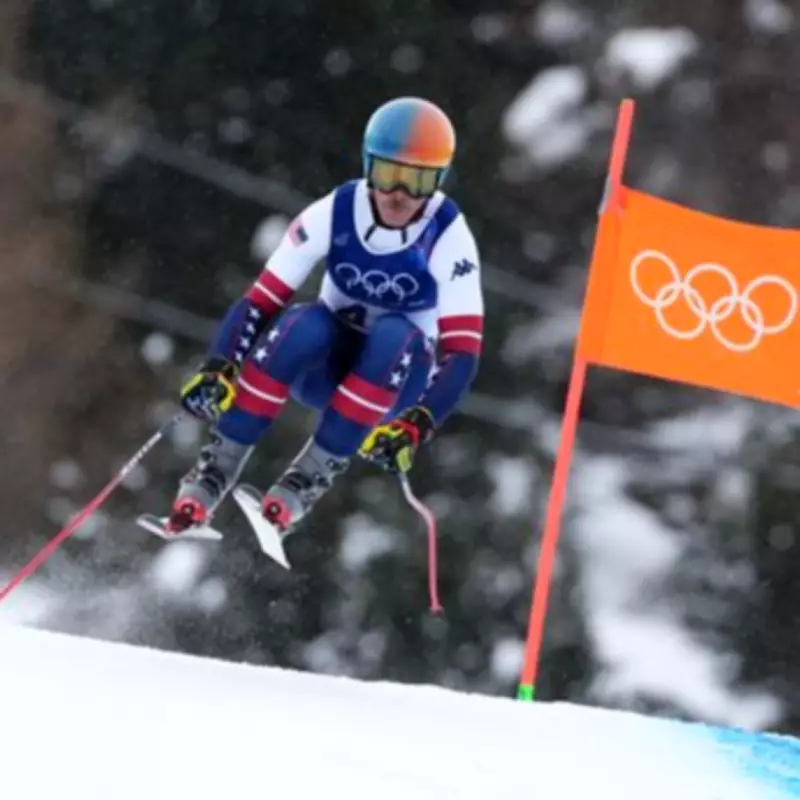
Alpine skiing stands as a thrilling cornerstone of the Winter Olympics, captivating audiences with its blend of speed, precision, and adrenaline since its debut in 1936. This downhill winter sport involves athletes racing against the clock down mountain courses, navigating through gates in a strict order to avoid penalties or disqualification. The competition is divided into five distinct disciplines, each offering unique challenges and excitement for both participants and viewers.
The Five Alpine Skiing Disciplines
Alpine skiing events are broadly categorized into technical and speed disciplines, but all share the core objective of finishing the course as quickly as possible. Here is a detailed breakdown of each discipline.
Slalom
Slalom is the most technical of the alpine skiing disciplines, requiring skiers to maneuver through closely spaced poles with rapid changes in direction. Typically completed in under a minute, this event is contested over two heats, with the combined times determining the winner. The tight turns and quick reflexes needed make it a test of agility and control.

Giant Slalom
Still classified as a technical event, Giant Slalom features larger gaps between gates compared to slalom, allowing skiers to maintain higher speeds. Despite the increased velocity, athletes must exhibit expert precision and swift directional changes to navigate the course successfully, balancing speed with accuracy.
Super G
Super G, or Super Giant Slalom, falls into the speed event category. With gates placed even further apart than in Giant Slalom, the course is generally less steep than downhill but demands high velocity and skill. Athletes have only one attempt to post their best time, adding pressure to perform flawlessly in this single-run format.
Downhill
Downhill is the least complicated yet fastest discipline, involving a straight race against the clock to the bottom of the mountain. Speeds can exceed 75 mph, with skiers often experiencing brief airtime as they descend. Like Super G, this event offers just one chance to set a time, emphasizing raw speed and courage.
Combined
The combined event mixes disciplines and genders, featuring male and female skiers from the same nation competing in one downhill and one slalom run each. Their times are combined, blending the quickest speed event with the most precise technical event, showcasing versatility and teamwork in alpine skiing.
Historical Context and Olympic Presence
Since its introduction at the 1936 Winter Olympics, alpine skiing has remained a constant and popular fixture, evolving to include these diverse disciplines. The sport continues to draw adrenaline junkies and fans alike, with events like the Milano Cortina 2026 Winter Olympics offering extensive coverage. For instance, discovery+ via Prime Video provides over 850 hours of live action, including access to TNT Sports 2 for round-the-clock Olympic updates.
Understanding these disciplines enhances appreciation for the skill and dedication required in alpine skiing, making it a highlight of the Winter Games for enthusiasts worldwide.