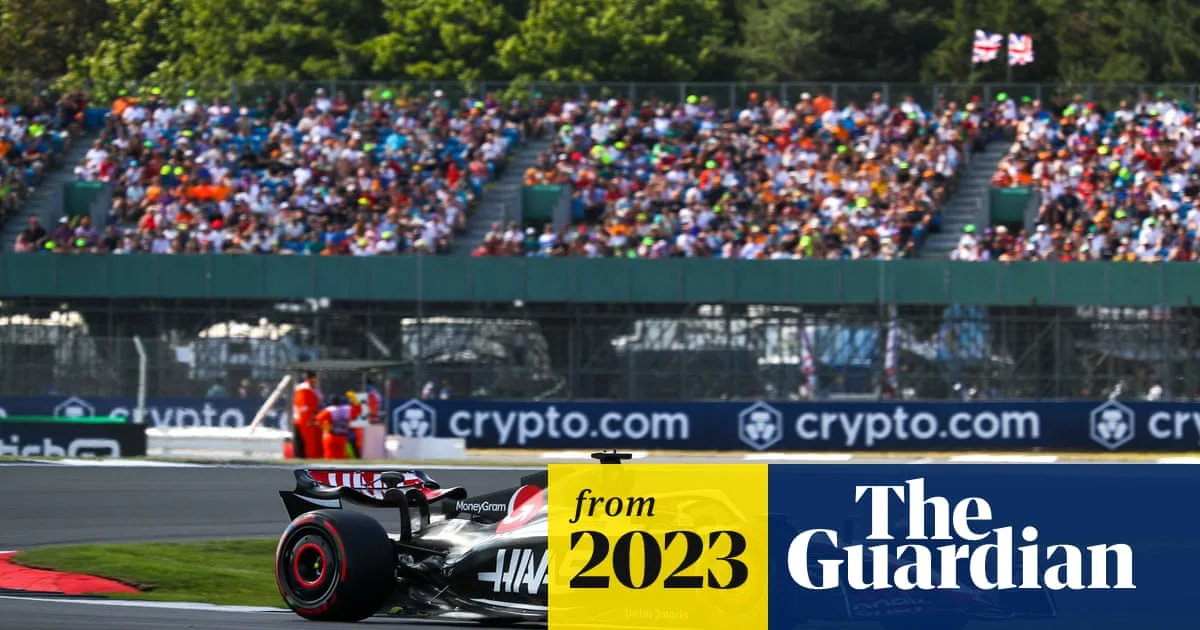
Northamptonshire police are using live facial recognition (LFR) technology to scan spectators attending the British Grand Prix at Silverstone this weekend. The force said the system would provide an 'extra layer of security' at the Formula One event, which is expected to draw 450,000 people.
This is the first time LFR has been deployed by a police force outside south Wales and London. The technology uses cameras to match faces against a police-generated watchlist, which includes suspects wanted for offences, those with outstanding arrest warrants, individuals posing a risk of harm, and vulnerable missing people. The force stated that any images triggering alerts would be deleted immediately or within 24 hours, while data from non-matches would be automatically removed.
The deployment follows criticism of LFR from civil liberties groups and academics. A study last autumn concluded that forces in south Wales and London had failed to incorporate 'many of the known practices for the safe and ethical use of large-scale data systems'. Critics have also highlighted potential racial bias, citing a 2018 MIT study that found error rates of 21% to 35% for darker-skinned women, compared with under 1% for light-skinned men. In 2020, a court ruled that South Wales police had not properly investigated whether the software exhibited race or gender bias.
Police, however, argue that accuracy has substantially improved, with research commissioned by the Met indicating a false match chance of one in 6,000. Human rights groups such as Liberty, Big Brother Watch, and Amnesty have described the technology as 'oppressive', and surveillance expert Prof Pete Fussey has warned of 'real implications for the rights of individuals'. Earlier this month, the European Court of Human Rights ruled that using facial recognition to identify and arrest peaceful protesters could have 'a chilling effect' on freedom of expression and assembly.
The move comes after five Just Stop Oil protesters disrupted last year's Grand Prix by sitting on the track. The group has also targeted Wimbledon, the Ashes, and the Premiership rugby final. In May, South Wales police used LFR at a Beyoncé concert in Cardiff, prompting concerns about its effect on behaviour and democratic processes. Det Supt Richard Tompkins said the force had a 'robust policing plan' in place, including automatic number plate recognition and LFR, and that embracing new technology was important to protect the public and pursue those causing harm.