F1 Teams Unite on Regulatory Changes Following Bearman's Dramatic Crash
The FIA has committed to modifying Formula One's energy management regulations after a high-speed incident involving British driver Oliver Bearman at the Japanese Grand Prix. This decision follows intense discussions between the governing body and technical experts from all teams and power unit manufacturers.
The Incident That Sparked Change
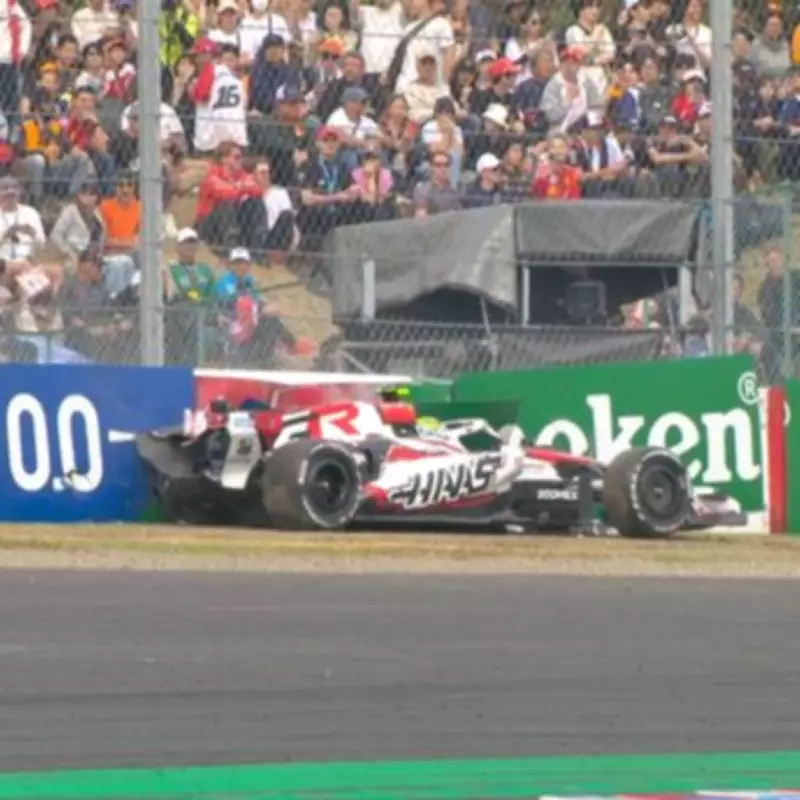
Oliver Bearman, the 20-year-old Haas driver, experienced what he described as a "really scary moment" when his car collided with barriers at approximately 50G during the race. The crash occurred when Bearman swerved to avoid hitting Franco Colapinto's Alpine car, which was positioned centrally on the track at high speed.
The FIA subsequently acknowledged that high closing speeds contributed significantly to the accident. Bearman managed to walk away from the wreckage with assistance from track marshals and has been medically cleared to compete in next month's Miami Grand Prix.

Regulatory Review Process Initiated
In a statement released after the race, the FIA confirmed that the 2026 regulations "include a number of adjustable parameters, particularly in relation to energy management." The governing body has scheduled a series of meetings throughout April to determine necessary refinements.
The first technical meeting occurred on Thursday between the FIA and team representatives. "There was constructive dialogue on difficult topics, especially when considering the competitive nature of the stakeholders," read the official update.
Collaborative Approach to Safety Improvements
The FIA emphasized that while current regulations have produced exciting racing, there is unanimous commitment to making adjustments in energy management areas. Further meetings are planned over the coming fortnight:
- A Sporting Regulations meeting on April 15 to discuss necessary changes in Section B
- A technical session on April 16 to follow up on discussed points and introduce new topics
- A high-level stakeholder meeting on April 20 to consider jointly proposed options and seek consensus
Any regulatory changes will require approval through the FIA World Motor Sport Council process, maintaining the collaborative spirit in which the original 2026 regulations were developed with teams, manufacturers, and commercial rights holders.
Broader Context and Future Implications
Bearman characterized the incident as resulting from "a massive delta speed we've not seen before in F1 until these new regulations." This acknowledgment has accelerated the review process, with teams recognizing the need to balance competitive racing with enhanced safety measures.
The regulatory adjustments aim to address the specific energy management challenges highlighted by Bearman's crash while preserving the exciting racing characteristics that have defined the current Formula One season. The outcome of these discussions will shape technical specifications for the 2026 season and beyond.